Reviewed · BALI
An Evening of Bali Traditional Dance
Three dances, one Bali story.
This evening show in Batubulan brings you the drama of Kecak chanting, the danger-buzz of the Fire Dance, and the eerie pull of the Saghyang trance, all wrapped in one night’s worth of traditional storytelling. It’s built for an easy hotel-to-theater flow, with pickup and drop-off plus an English guide to connect what you’re seeing to the legends behind it.
I like that the night isn’t just spectacle. The story threads matter: the Kecak is tied to Prince Rama and the rescue of a kidnapped princess, while the Saghyang is performed as a trance tradition originally associated with exorcism rituals. I also like the practical side: the tour is capped at 15 people, uses an air-conditioned vehicle, and includes admission for the 1-hour dance performance.
One drawback to consider is timing. The start is listed at 4:00 pm, but with traffic and occasional early departures, you may end up waiting longer than you want before the show begins.
In This Review
- Key things to know before you go
- What you’re really booking: a story-driven dance evening
- Kuta-area pickup and the traffic factor
- Batubulan amphitheater: what the venue feels like
- The Kecak Dance: chanting, torches, and the Prince Rama story
- Fire Dance: intensity you can feel in your chest
- Saghyang trance: a ritual movement style, not just dancing
- Guide quality is the difference between show and understanding
- Price and value: does $48.72 make sense for you?
- Logistics that can make or break your evening
- Who should book this tour—and who should pass
- Tips for a better night at Batubulan
- Should you book this Bali dance night?
- FAQ
- What dances are included in this evening tour?
- Where does hotel pickup and drop-off happen?
- How long is the tour and when does it start?
- Is admission included for the performances?
- Are food and drinks included?
- What is the group size limit?
- Is free cancellation available?
Key things to know before you go
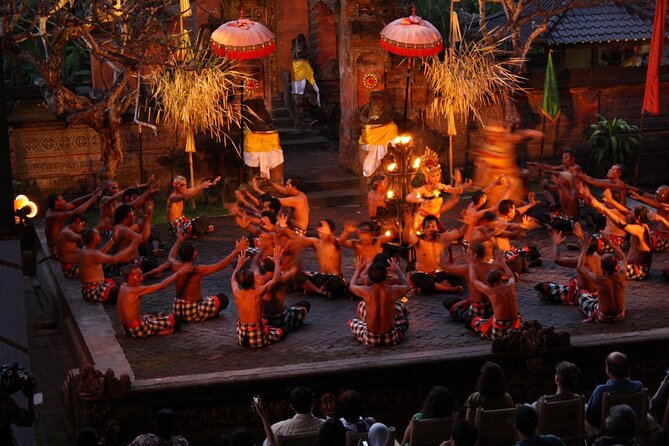
- Kecak with torch bearers: A large group (50 men with blazing bamboo torches) creates a hypnotic, rhythmic atmosphere.
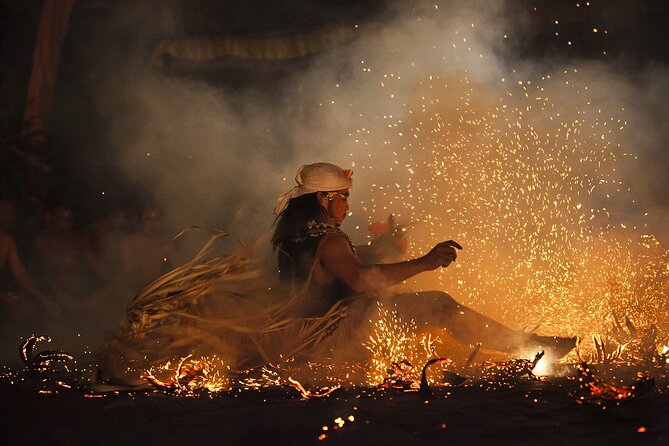
- Fire Dance with coals: Watch performers handle smoldering coals as part of the act, which can feel intense up close.
- Saghyang trance meaning: The Saghyang is explained as a trance practice connected to exorcism traditions.
- Pickup-and-dropoff convenience: The tour includes transport from major hotels around Kuta/Seminyak/Sanur/Jimbaran/Nusa Dua.
- English licensed guide support: If you want the cultural context, the guide’s explanations can make a big difference.
- Outdoor-night basics: It’s a rustic amphitheater at a village venue—plan around night air and bugs as the sun goes down.
What you’re really booking: a story-driven dance evening
This is the kind of Bali evening outing that works best when you treat it like cultural theater, not a nightclub. The show centers on three different dance styles, but the glue is the storytelling. You’ll be seeing how Bali uses rhythm, chorus, and controlled performance to move between myth and ritual.
Even if you don’t know the legends going in, the structure helps. You typically get a sequence where each dance’s mood shifts—chants and group intensity in the Kecak, then heat-and-risk energy in the Fire Dance, then a different sort of physical intensity in the Saghyang trance.
Also, this is a small-group format. With a maximum of 15 travelers, you’re less likely to feel lost in a huge crowd where you can’t hear your guide. You still get the fun of group touring, without the chaos.
Still narrowing the shortlist? These are the Kuta tours travellers book most.



Kuta-area pickup and the traffic factor
The tour starts at 4:00 pm, and pickup is offered from many major hotels in the Kuta area (plus Seminyak, Sanur, Jimbaran, Sanur, and Nusa Dua). On paper, it’s about a 4-hour experience, which is a reasonable chunk of an evening.
In real life, Bali traffic can stretch your schedule. Some people get picked up very early, and you might wait at the venue before the show starts. If your hotel is farther out, you might also run into additional charges or timing adjustments.
Here’s how I’d handle it to keep your evening smooth:
- Be ready at pickup time, even if you’re not sure when the show begins.
- Bring something light to snack on before you leave. Food and drinks aren’t included.
- If you hate waiting, ask the booking agent (or your guide at pickup) what the expected arrival time at the venue is.
I’ve seen guides manage this well too. One named guide, Darta, was noted for anticipating traffic and adjusting timing so there was a bit of breathing room before the show.
Batubulan amphitheater: what the venue feels like
You’ll head to the provincial village of Batubulan and arrive at a rustic amphitheater. That matters because it tells you what kind of show this is. This isn’t a glossy, climate-controlled hall. It’s a village setting, and you’re watching performers in an outdoor environment.
That outdoor feel can be great: it makes the dancers look more grounded and makes the ritual vibe easier to accept. The tradeoff is comfort. Bring mosquito considerations for night time, and wear shoes you can walk in without stress.
The seating and view will depend on your specific allocation, but the good news is these performances are designed for audiences in an amphitheater setting. You’re going to have plenty to watch even if you aren’t in the front row.
- Nusa Penida day trip: boat, 4 snorkeling, Manta rays & Land tour★ 5.0 · 2,033 reviews
- Bali Nusa Penida West Private All-Inclusive Tour★ 5.0 · 1,277 reviews
- Mount Batur Sunrise Trekking Private Tour with Breakfast and Hotel Transfer★ 5.0 · 885 reviews
- Individual Bali Day Trip with Private Driver and Free WiFi★ 5.0 · 755 reviews
- Waterbom Bali Tickets – Single Day Pass★ 4.5 · 620 reviews
The Kecak Dance: chanting, torches, and the Prince Rama story
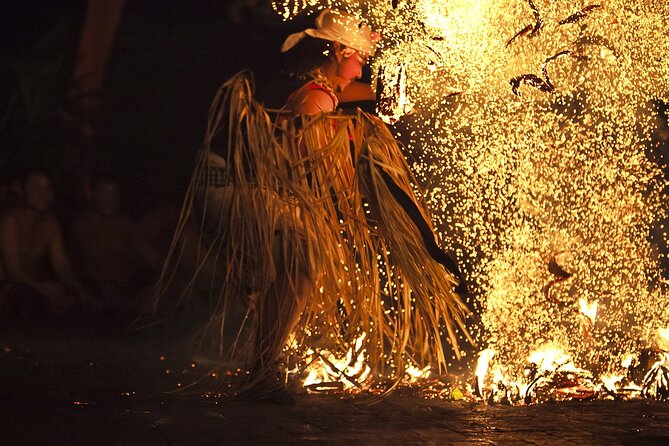
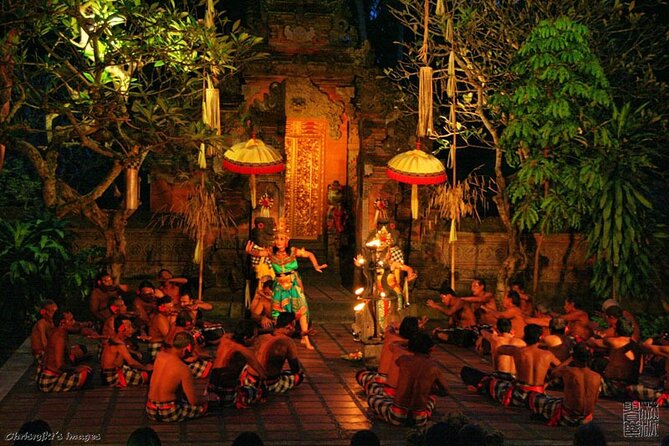
The Kecak is the opener energy. You’ll see a large group of about 50 men brandishing blazing bamboo torches, and the story centers on Prince Rama and the rescue of a kidnapped princess.
The big thing about Kecak is that it doesn’t rely on fancy props. It relies on bodies, rhythm, and voices. The repeated chant-like rhythm creates a trance effect for the audience even if you’re sitting there thinking, Okay, what am I looking for? After a few minutes, you’ll usually start noticing patterns: who leads the chant, how the group shifts together, and when the story beats land.
If you like myth through performance, this section is your anchor. It’s also the part where your guide’s explanations can really pay off. A more attentive guide can help you follow what’s happening rather than just watching action with no plot.
Fire Dance: intensity you can feel in your chest
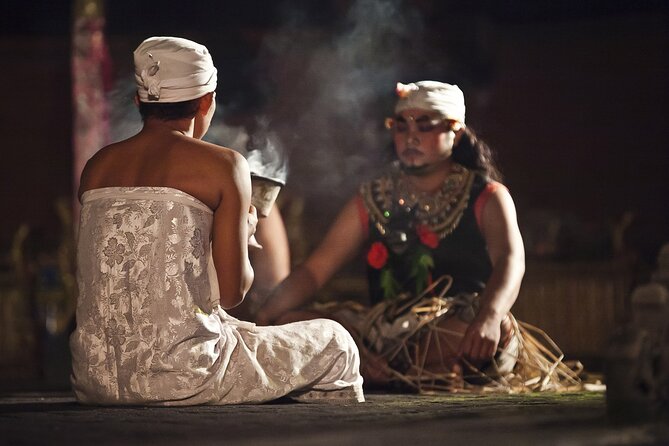
Next comes the Fire Dance, the one that makes people sit up a bit. Performers become involved with smoldering coals, and the act is presented as part of this traditional dramatic sequence. Some audiences find it exciting; others find it a little scary—not because anything is presented as reckless, but because fire makes everything feel higher stakes.
You should also know: when this dance hits the right pacing, it’s memorable. When the pacing feels rushed, you might wish it had more time to unfold. That’s a big reason some visitors are split in their satisfaction.
A practical tip: if you’re sitting where you can see the lead performer and the technique clearly, you’ll understand the act faster. Look for how they enter and move around the coals and how the choreography controls the moment. It’s less about random danger and more about controlled tradition.
Saghyang trance: a ritual movement style, not just dancing
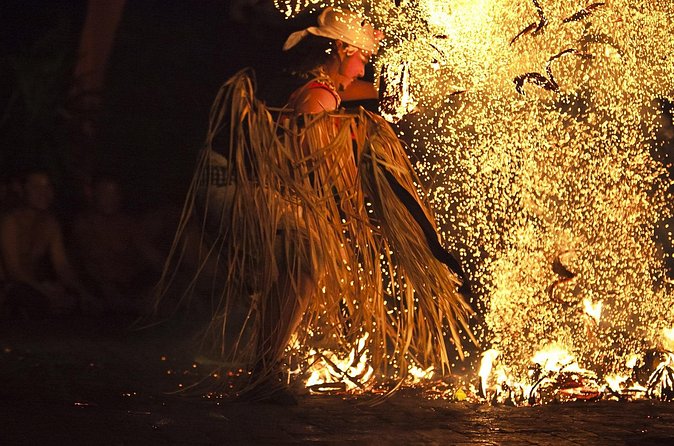
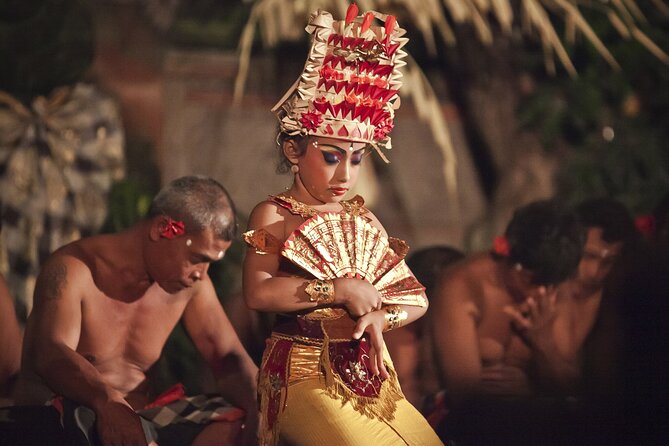
Then there’s the Saghyang (trance) Dance. The key context is that it’s traditionally associated with exorcism rituals. That changes how you should interpret what you’re seeing. This is not just performance for entertainment; it’s performance that borrows the energy of ritual.
Expect convulsive-style choreography and a distinct physical intensity compared with the other two dances. If you enjoy cultural context, this is often the most meaningful section because it connects movement to belief systems.
If you’re sensitive to intense movement or you simply prefer light and playful entertainment, this is the one you might want to treat as a serious, intense segment of the night rather than a fun add-on.
Guide quality is the difference between show and understanding
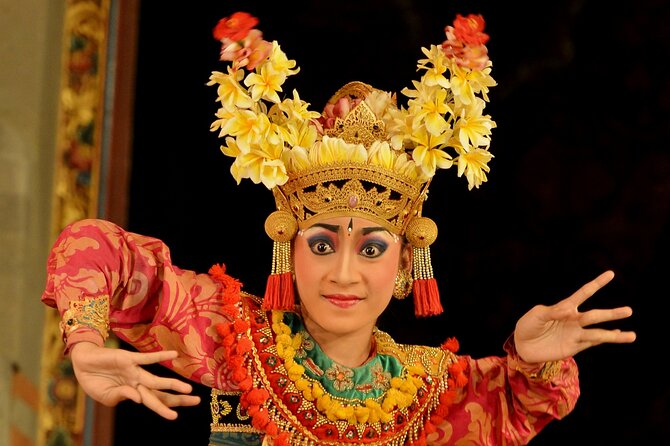
This tour includes an English-speaking licensed guide, and that detail matters. A strong guide turns a dance show into something you can remember with meaning.
I’ve seen examples of this kind of impact from named guides. Oka, for instance, was described as professional and thoughtful, even helping with mosquito repellent while people watched the Kecak. That sort of small, practical care can make you feel looked after.
Even when the show itself is good, not every group gets the same level of guidance. Some people feel that explanation time is missing or that they only had a pamphlet to piece things together. So, if you like clarity, read any program material you receive before the performances begin. It helps you track the story beats across the three dances.
Price and value: does $48.72 make sense for you?
The price is $48.72 per person, and the tour includes pickup/drop-off plus air-conditioned transport, an English guide, and admission for the 1-hour dance performance.
That can be good value if you want:
- Simple hotel-to-venue logistics without organizing a driver
- A guide who can connect the dots between dances and legends
- A small group (maximum 15 travelers)
But the reviews history for this type of tour style makes one point clear: extra stops can change the value fast. Some nights include detours like markets, craft stops, or other nearby experiences. If you’re not interested in shopping, you can end up paying for time you’d rather spend at the theater.
Here’s the clean way to judge value for your trip: ask what’s included in the evening besides the dance performance, and ask how long you should expect to be in the vehicle. If the answer is mostly straight-to-theater and straight-back, you’ll likely feel the price is fair.
Also keep expectations aligned on length. The tour is listed as 4 hours, but the actual dance performance is 1 hour. Some people report that their show timing felt shorter than expected, so don’t plan dinner reservations as if you’re getting a long, cinematic performance.
Logistics that can make or break your evening
This kind of tour has a few common friction points, and you can plan around them.
Pickup time can be earlier than you think. The start is 4:00 pm, but real-world timing can shift. If you’re traveling with a tight schedule, set a flexible buffer for the evening.
Comfort depends on the vehicle. The tour uses an air-conditioned vehicle, but some buses have been described as uncomfortable. If you’re sensitive to heat or cramped seating, it’s worth paying attention to how long the ride might be.
Outdoor venue means bugs and nighttime comfort. Even if you ignore everything else, plan for mosquitoes and cooler night air.
No food included. You’ll want to eat before you go, or at least have a snack. The show night can run longer due to traffic and waiting, so stomach comfort matters.
Who should book this tour—and who should pass
I think this tour suits you if you:
- Want a straightforward introduction to Balinese dance traditions in one evening
- Like when a guide explains the story behind the performance
- Prefer a small-group experience with hotel pickup and drop-off
I’d think twice if you:
- Hate shopping stops or being nudged into purchases along the way
- Want a very precise, no-wait schedule
- Are uncomfortable with intense fire and trance-related performance energy
- Expect a long dance session rather than a 1-hour performance within a longer evening transfer window
If you’ve already seen similar dances in another part of Bali and you’re only half-interested, you may find this feels touristy. If, however, you’re doing your first serious dance evening in Bali, this is a solid way to sample the range.
Tips for a better night at Batubulan
- Arrive early in your mind, even if you’re only officially starting at 4:00 pm. Waiting can happen.
- Bring a light snack and water because food and drinks aren’t included.
- Consider mosquito protection if you’re prone to bites. (Some guides have been known to help with this.)
- If you get a pamphlet or program, read it before the dances start. It can help you follow the transitions between stories.
- If the idea of fire is worrying, don’t watch from behind a tree line or a distraction spot—pick a view where you can see what the performers are doing clearly.
Should you book this Bali dance night?
If you want a well-paced, story-focused evening in Bali without having to arrange transport, this is a reasonable bet—especially at a small-group size and with hotel pickup and admission included.
I’d book it if you’re there for cultural understanding and you’re okay with the reality of traffic and possible waiting. I’d skip it if you’re very schedule-sensitive, strongly anti-shopping detours, or you’re expecting a long, uninterrupted 4-hour theater performance.
If you do book, send one quick question to the tour provider before you go: what time should you arrive at the venue, and are there any planned stops besides the dance? That one question can save you a lot of stress.
FAQ
What dances are included in this evening tour?
The tour includes three traditional dances: Kecak, the Fire Dance, and the Sanghyang (Trance) Dance.
Where does hotel pickup and drop-off happen?
Hotel pickup and drop-off are offered from major hotels in the Kuta, Seminyak, Sanur, Jimbaran, and Nusa Dua areas.
How long is the tour and when does it start?
The tour runs for about 4 hours and starts at 4:00 pm.
Is admission included for the performances?
Yes. Admission is included for the 1-hour dance performance.
Are food and drinks included?
No. Food and drinks are not included.
What is the group size limit?
This tour has a maximum of 15 travelers.
Is free cancellation available?
Yes. You can cancel for a full refund up to 24 hours before the experience’s start time.
If you want, tell me where you’re staying in Bali (area name or hotel name) and what time you want to be back at night, and I’ll help you judge whether this pickup window will likely feel smooth or stressful.