
Reviewed · FOOD & DRINK
Bali Small Group Street Food Tour
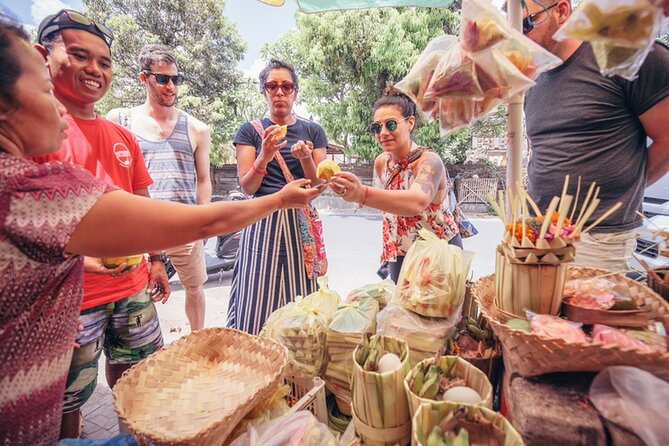
One of Bali’s best food nights happens after dark. This small-group street food tour focuses on real local markets in Denpasar, with stops designed to keep you eating what Balinese people actually eat. I like that you get a local English-speaking guide plus a tight menu of included tastings, not “random bites,” and I also like that it spotlights Babi Guling, a dish tied to ceremonies, not just casual dining. One thing to consider: the tour is very local, and it cannot accommodate vegans or gluten allergies.
The 5:00 pm start time helps a lot. Denpasar’s food scene is at full volume in the evening, and the pace is built around walking narrow market lanes and sampling as you go rather than sprinting between restaurants. I also appreciate the structure: your evening includes market walking in Denpasar, then Kreneng Market and a local Eat Street tucked behind the main tourist area. The main drawback for some people is simply stomach comfort and dietary limits—this is street food, and the tour isn’t designed for strict allergy swaps.
In This Review
- Key things that make this tour worth your attention
- From Kuta to real eating: why you’ll be in Denpasar at 5 pm
- Denpasar market lanes: where the night food starts making sense
- Kreneng Market and the local Eat Street: the sweet spot behind the tourist zone
- What you’ll actually eat: dessert, ceremony pork, soups, and fried pancakes
- Jaje Bali (sweet Balinese dessert)
- Babi Guling (rotisserie-cooked suckling pig)
- Soto Ayam and Bakso (Indonesian soups)
- Jasuke (sweet steamed corn)
- Martabak Telur (traditional fried pancake)
- Coffee: Indonesian Arabica, hot or cold
- The guide experience: why small-group attention matters (and who you might meet)
- Price and value: what $45 covers (and what it doesn’t)
- Timing, comfort, and dietary reality checks
- Dietary limits (important)
- Kids and food pacing
- What to expect physically
- Where the money and impact go: local vendors, local buying, carbon neutral framing
- Should you book the Bali Small Group Street Food Tour?
- FAQ
- What time does the tour start?
- How long is the Bali Small Group Street Food Tour?
- How many people are in the group?
- Where do I meet the guide, and where does the tour end?
- What food and drinks are included?
- Is the tour suitable for vegans or people with gluten allergies?
- What’s the cancellation policy?
Key things that make this tour worth your attention
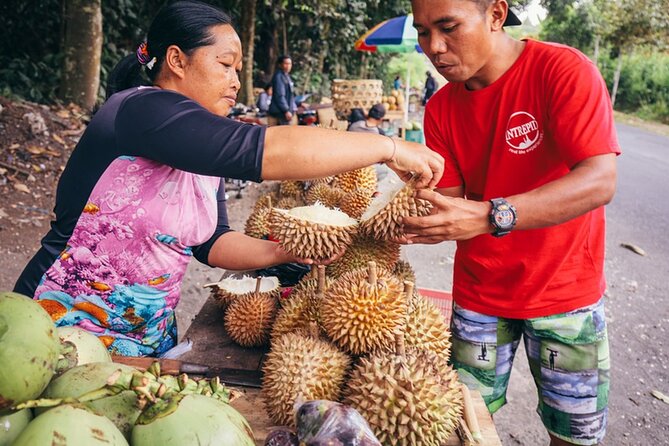
- Max 12 people keeps it personal, with guide-led choices at the stalls
- Babi Guling in a cultural context explains why it’s traditionally served around ceremonies
- Kreneng Market + a nearby local Eat Street helps you eat where tourism is minimal
- Included tastings are substantial: dessert, Babi Guling, soups, Jasuke, Martabak Telur, plus coffee
- Carbon neutral / B Corp company positioning is built into how it’s operated
- Diet limits are real (no vegan or gluten allergy catering), so plan ahead if you need alternatives
From Kuta to real eating: why you’ll be in Denpasar at 5 pm
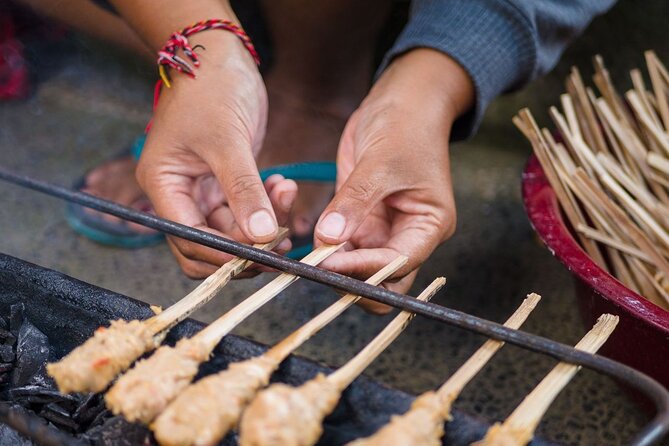
If you’re staying in Kuta, it’s easy to assume the best food is right around your hotel. This tour takes a smarter approach: you start in Denpasar, where daily life and food culture feel more ordinary and less performed. That matters because Bali street food isn’t just about taste—it’s about timing, who’s buying, and what’s cooking.
The timing is part of the point. The tour begins at 5:00 pm, and your evening is set up for market energy and night stall setups. By the time you’re walking lanes with your guide, you’re seeing food businesses in action rather than sampling from a calm, curated daytime scene.
There’s another practical win: the tour is designed to be manageable on a travel schedule. It’s about 3 hours total, so it won’t steal your whole evening, and it’s paced around tasting and short movement between stops.
More Bali food outings reviewed
Denpasar market lanes: where the night food starts making sense
Your tour begins at a local meeting point near Kantor Pos Indonesia on Jl. Kamboja in Denpasar, then you head toward a local food market for the first stretch of walking. This first area is where your guide helps you get your bearings fast—pointing out foods you’ll later taste, plus showing what to look for when you’re ordering.
This is also where the tour does something a lot of street food tours skip: it turns tasting into learning. Even before you’re sitting with soup or sweets, you’re building context for what you’re about to eat, and why certain items show up at certain places.
A small but meaningful detail: the guide leads you in and out of small alleyways rather than keeping you on main streets. That’s often the difference between “street food” as a marketing label and street food as real life.
Kreneng Market and the local Eat Street: the sweet spot behind the tourist zone
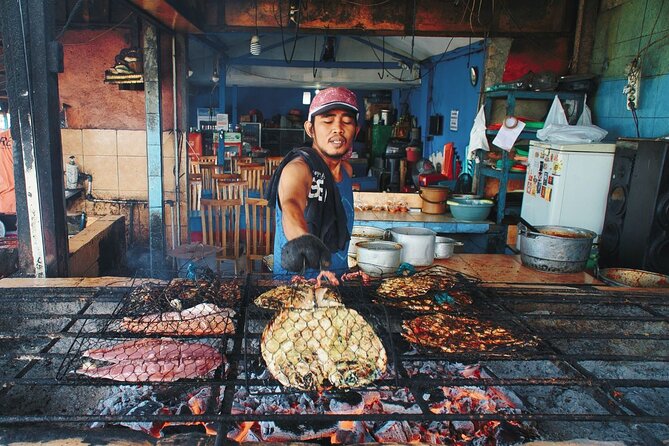
After your first market segment, you move to Kreneng Market, which becomes the core food experience. Kreneng is described as a night market vibe, tucked near a heritage street in Central Denpasar, and the tour leans into that “local except for this tour” feeling.
Here’s what I like about the way this stop is set up: you’re not just wandering. Your guide helps you navigate narrow lanes, and you’re guided toward stalls where the food is a day-to-day habit for locals—not a special menu built to impress visitors.
Then comes the second part of the eating zone: a local Eat Street behind the major tourist area. This is where you start tasting in a more linear way, moving along the street and choosing from multiple small warungs and stalls. Several included foods are traditional favorites, and the pace helps you sample without getting overwhelmed.
One practical note: market walking after dark means you’ll want to keep your phone secured and your eyes up. The tour’s small size helps, but this is still real market terrain.
- Nusa Penida day trip: boat, 4 snorkeling, Manta rays & Land tour★ 5.0 · 2,033 reviews
- Bali Nusa Penida West Private All-Inclusive Tour★ 5.0 · 1,277 reviews
- Mount Batur Sunrise Trekking Private Tour with Breakfast and Hotel Transfer★ 5.0 · 885 reviews
- Individual Bali Day Trip with Private Driver and Free WiFi★ 5.0 · 755 reviews
- Waterbom Bali Tickets – Single Day Pass★ 4.5 · 620 reviews
What you’ll actually eat: dessert, ceremony pork, soups, and fried pancakes
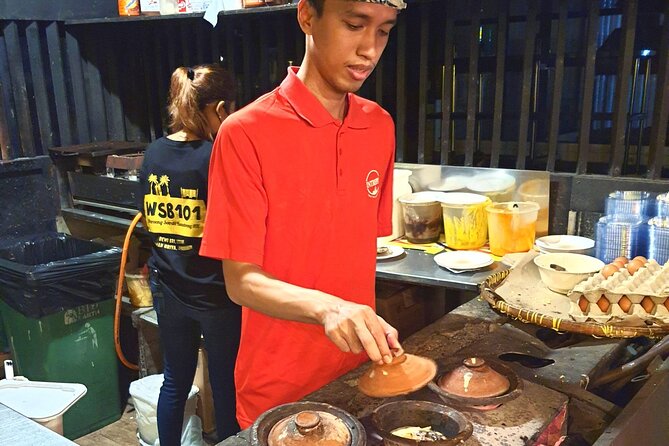
The included tastings are the backbone of the value here. You’re not paying $45 just for a “walk and see.” You’re paying for specific food bites, with a guide explaining what you’re eating as you go.
Jaje Bali (sweet Balinese dessert)
You’ll taste Jaje Bali, a traditional Balinese dessert. The point isn’t just sweetness—it’s a way to understand how Balinese desserts fit into night market culture and what locals grab when they want something small but satisfying.
If you’re the type who usually skips dessert until you find a restaurant menu, this stop is a reminder that street sweets are often the most authentic version of the dish.
Babi Guling (rotisserie-cooked suckling pig)
This is the headline item: Babi Guling, rotisserie-cooked suckling pig. What makes it more interesting than “pork on a spit” is the cultural framing: the tour explains that Babi Guling is traditionally served around ceremonies.
That context matters for value. It turns a meal into a story about how food connects to community life on the island, instead of treating the dish like a casual tasting challenge.
Soto Ayam and Bakso (Indonesian soups)
You also sample Indonesian soups such as Soto Ayam or Bakso. This is a smart inclusion because soup works well for a street food evening: it’s warm, portioned enough for sampling, and usually easier to share taste impressions compared with very spicy or very dry foods.
Jasuke (sweet steamed corn)
Jasuke is another included stop: sweet, steamed corn. It’s simple, comforting, and a good palate reset between savory items. If you’re worried about how adventurous the night will feel, Jasuke is a good signal that the tour includes gentle comfort food too—not only “hard-core” street specialties.
Martabak Telur (traditional fried pancake)
Lastly, you’ll try Martabak Telur, a traditional fried pancake. In practice, this tends to be filling enough that the tour feels like a real dinner plan. It also gives you something hearty after soups and dessert earlier in the evening.
Coffee: Indonesian Arabica, hot or cold
To round it out, you get Indonesian Arabica coffee, either hot or cold. This is the kind of included detail that makes the experience feel complete, not like you paid for a guide and then bought drinks separately.
The guide experience: why small-group attention matters (and who you might meet)
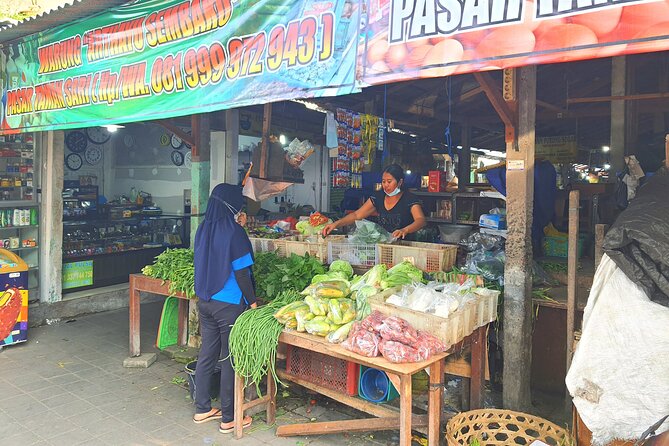
This tour is powered by a local English-speaking food lover guide, and the small group size (maximum 12) is a big part of why it works. With fewer people, the guide can adjust choices—helping you understand what’s in a dish, how locals order, and what to watch for as you move from stall to stall.
The strongest signal from the experience feedback is how much guides shape the vibe. Different guides have led this tour, including Putra, Irfan, Lena, and Srix, and the common thread is clarity plus personality.
You’ll likely get practical instruction, not just trivia. For example, one guide (Irfan) is praised for teaching how to choose items like kue (cakes) and helping you understand the soup choices. Another highlight: Srix is noted for pairing food with customs and points of interest along the way, which is exactly how a street food tour should feel—tasty, but also grounded.
It’s also worth saying: the tour supports local livelihoods. It’s designed so that it directly employs 2 to 5 locals, which is a quiet but important “where your money goes” detail.
Price and value: what $45 covers (and what it doesn’t)
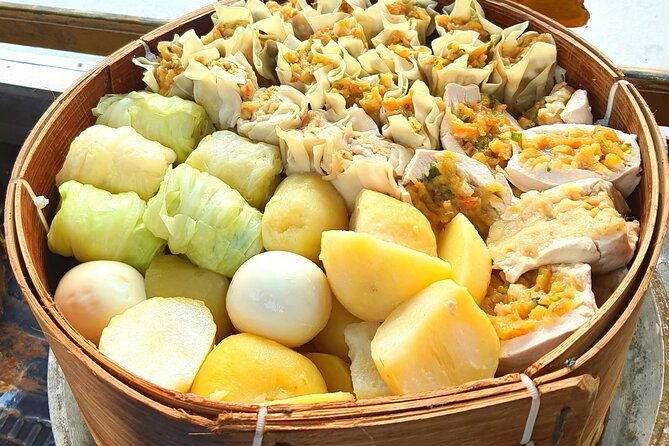
At $45 per person for about 3 hours, this tour sits in the category of “structured street food,” not budget DIY. The value comes from the fact that multiple dishes and drinks are included, plus the guide does the ordering and explains what you’re tasting.
Here’s what you’re getting in the included list:
- Jaje Bali
- Babi Guling
- Soto Ayam or Bakso
- Jasuke
- Martabak Telur
- Indonesian Arabica coffee (hot or cold)
- Local food tips about what else to see and eat
What’s not included is also clear: any additional food and drinks you want beyond the tasting set, plus gratuities. Transfers aren’t included either, so you’ll want to plan your own way to the start and from the finish.
The best way to think about the price: you’re paying for a guide-led route through markets and stalls you might not feel confident navigating alone—especially when you’re trying ceremonial foods like Babi Guling for the first time.
Timing, comfort, and dietary reality checks
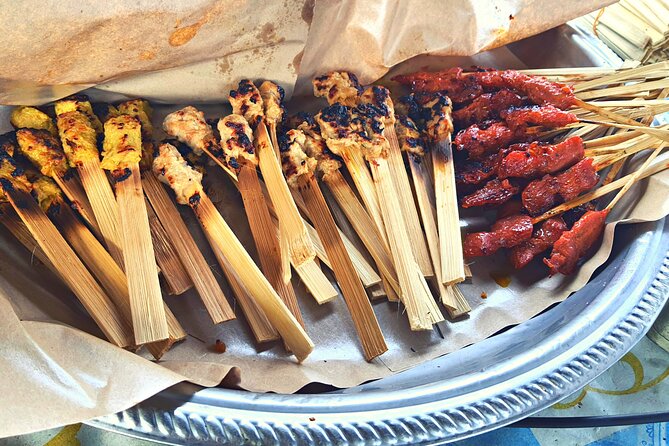
This is a local night market food experience. That’s great for authenticity, but it comes with normal street food considerations.
Dietary limits (important)
The tour can’t cater for vegans and gluten allergies. It may accept other specific dietary requests if you contact them at least 24 hours before the start time. If you have any serious allergy beyond what the tour already can’t handle, treat this as a “call and confirm” situation rather than a “show up and hope” plan.
Kids and food pacing
Children under 6 aren’t permitted. Also, because it’s a very local food experience, there aren’t “kids’ meals.” If you’re traveling with family, plan accordingly.
What to expect physically
Even though the tour is only about 3 hours, it’s market walking and stall-to-stall tasting. Comfortable shoes help. And if you’re sensitive to spice or unfamiliar textures, go in with a mindset of slow sampling and clear communication with your guide.
Where the money and impact go: local vendors, local buying, carbon neutral framing
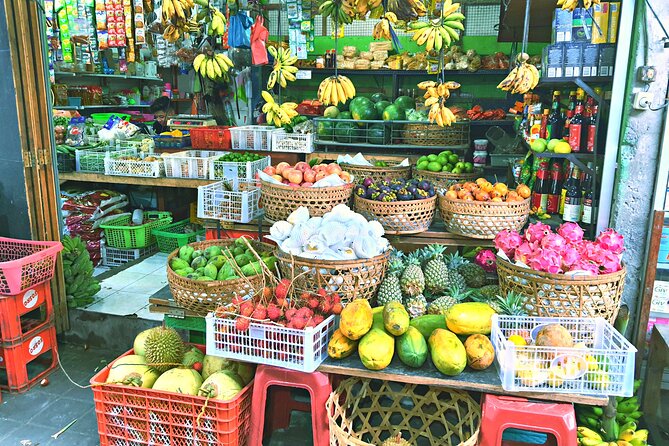
If you care about how tourism money changes a place, this tour has several points that feel intentional. The vendors at the market stops are described as locals, and the model emphasizes eating in areas that aren’t mainly built for tourists except for this organized activity.
There’s also the sustainability angle: the tour is listed as carbon neutral and operated by a B Corp certified company committed to using travel as a force for good. You won’t measure that on your walk, but it’s a signal that the business is making choices beyond just selling a route.
Finally, because all food prepared at the venues visited is described as locally grown and bought, the experience is tied to how the island’s food supply chain works at the street level.
Should you book the Bali Small Group Street Food Tour?
Book it if you want an evening where food is the plan and the guide handles the hard parts: finding the right stalls, knowing what to order, and explaining why foods like Babi Guling matter to Balinese ceremonies. The small group size (up to 12) is a strong match if you prefer a calmer pace over a big group chaos-fest.
Skip it (or at least ask a lot of questions) if you need vegan options or have gluten allergy requirements. This is not built as a fully adjustable menu. Also, if you’re easily turned off by very local market food, go in knowing this is street-level, not polished restaurant tasting.
If your goal is simple—eat real Balinese street food in Denpasar with a local guide—this is one of the more structured ways to do it without turning your night into guesswork.
FAQ
What time does the tour start?
The tour starts at 5:00 pm.
How long is the Bali Small Group Street Food Tour?
It runs for about 3 hours.
How many people are in the group?
The tour is limited to a maximum of 12 travelers.
Where do I meet the guide, and where does the tour end?
You meet at Kantor Pos Indonesia, Jl. Kamboja No. 6, Sumerta Kauh, Kec. Denpasar Tim., Kota Denpasar, Bali 80233. The tour ends at a coffee shop at Jl. Gajah Mada No. 122, Pemecutan, Kec. Denpasar Bar., Kota Denpasar, Bali 80231.
What food and drinks are included?
Included tastings are Jaje Bali, Babi Guling, Indonesian soups like Soto Ayam or Bakso, Jasuke, and Martabak Telur. You also get Indonesian Arabica coffee, hot or cold.
Is the tour suitable for vegans or people with gluten allergies?
No. The tour cannot cater for vegans and gluten allergies. For other specific dietary requests, you must notify the provider at least 24 hours before the tour start time.
What’s the cancellation policy?
Free cancellation is available up to 24 hours in advance for a full refund.
If you want, tell me your dietary needs and where you’re staying (Kuta area or elsewhere). I can help you sanity-check whether this timing and food plan fits your night.
More Food and Drink Stops
- Chef Bagus Balinese Indonesian Food Cooking Class
★ 5.0 · 89 reviews - Uluwatu Cliff Temple sunset Tour with Kecak Show and Sea Food Dinner at Jimbaran Beach
★ 3.0 · 4 reviews
More Bali Food
- Chef Bagus Balinese Indonesian Food Cooking Class
★ 5.0 · 89 reviews - Uluwatu Cliff Temple sunset Tour with Kecak Show and Sea Food Dinner at Jimbaran Beach
★ 3.0 · 4 reviews
Fresh on the Kuta Travel pages






Food & Drink, compared.
 ★ 5.0Chef Bagus Balinese Indonesian Food Cooking ClassFrom $5189 reviews
 ★ 5.0Bali Street Food TourFrom $6544 reviews
 ★ 5.0Balinese Street Food Tour By Motorbike All You Can Eat and Drink!From $905 reviews
 ★ 3.0Uluwatu Cliff Temple sunset Tour with Kecak Show and Sea Food Dinner at Jimbaran BeachFrom $614 reviews
Browse the lists this tour appears in