Reviewed · BALI
Balinese Village Experience
Canang sari starts before breakfast. This is a Balinese village day in Pacung Sangeh that feels real because you’re invited into day-to-day home life, including hands-on canang sari offering making. You meet the family, step through their compound, and get a guided look at how Hindu beliefs show up in ordinary routines.
I also like the practical setup: you get direct south Bali hotel pickup and a full day that includes lunch at a scenic warung. The main drawback is simple but important: the booking is non-refundable and can’t be changed, so be sure your dates are solid before you pay.
In This Review
- Key highlights at a glance
- Why Pacung Sangeh village life feels more honest than a photo tour
- Price and logistics: how $70 adds up in real value
- The 8:30am start: pickup, guide meeting, and morning tea with the family
- Sangeh Traditional Village: stepping into daily routines and real compound life
- Making canang sari offerings: the skill that connects everything
- Temple time: cleansing ceremony and how the day turns spiritual
- Lunch at a scenic warung: typical Balinese food that resets the day
- The holy water temple blessing: what to expect and how to prepare mentally
- Who should book this Balinese village experience in Kuta
- Should you book it or look for something else?
- FAQ
- What time does the tour start?
- How long is the experience?
- What’s included in the $70 price?
- Do they pick up and drop off from hotels?
- Is this a small group tour?
- Is it refundable if my plans change?
Key highlights at a glance
- A family host from the village: Your guide belongs to the area, so the story comes from lived experience, not a scripted talk.
- Hands-on canang sari offering workshop: You learn the daily offering practice that supports Balinese Hindu life.
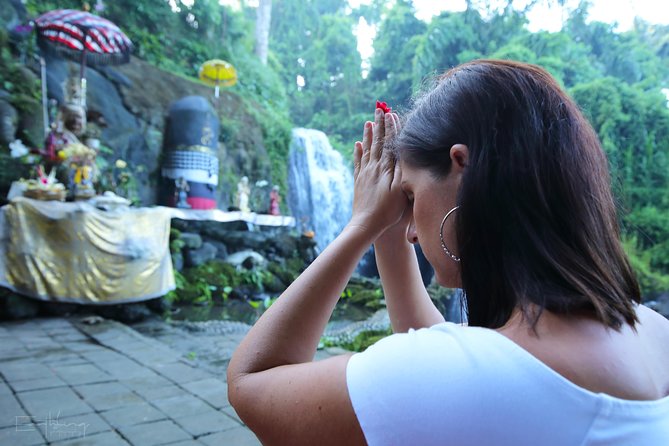
- Temple time for cleansing and blessing: You’ll participate in a sacred water ritual and see how worship works in context.
- Morning tea with cakes and coffee: It’s a friendly way to slow down before the spiritual moments.
- Lunch at a warung in a pretty setting: You get typical Balinese food plus a chance to recharge mid-day.
- Small group size (up to 10): Easier questions, fewer bottlenecks, and a calmer pace than big buses.
Why Pacung Sangeh village life feels more honest than a photo tour
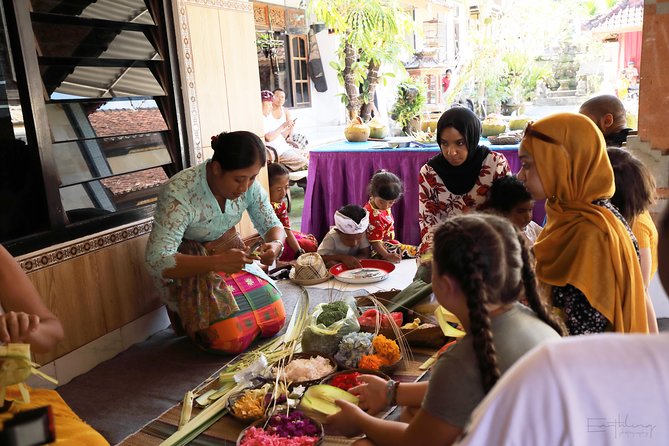
Pacung Sangeh is a traditional village experience built around daily rhythms, not quick snapshots. The key difference is that you start in a real family space and learn what people do every day: greeting guests, sharing tea, and making offerings that keep spiritual life close to the household.
What I like most is how quickly you move from watching to doing. You don’t just hear about canang sari. You make offerings yourself, then you see how the ritual connects to worship spaces and daily practice. That “action first, explanation second” order makes the day easier to remember.
One more plus: the pacing leaves room for questions. With a maximum group size of 10, it’s far less chaotic than the typical Bali day tour where you’re basically herded from one stop to the next.
Still narrowing the shortlist? These are the Kuta tours travellers book most.




Price and logistics: how $70 adds up in real value
At $70 for about 7 hours, the value comes from what’s included, not just the headline price. You’re paying for a full half-day style experience with two-way transfers from most south Bali hotels, plus lunch and admission to the Sangeh village component.
If you’ve done Bali tours before, you know how quickly time and money disappear into long drives and messy meeting points. Here, pickup and drop-off are built in, which helps you actually spend your day doing things rather than navigating traffic.
You’ll also use a mobile ticket, which is one less thing to worry about. And admission for the village segment is included, so you’re not chasing extra fees once you’re out in the countryside.
The 8:30am start: pickup, guide meeting, and morning tea with the family
The day kicks off at 8:30am. You’re picked up by a professional driver and transferred to the meeting point with your guide. That early start matters in Bali because it gives you time for activities before the strongest heat settles in.
Once you arrive, the day shifts tone. You’re not dropped into a waiting area with a ticket booth vibe. You’re welcomed into a family compound, then you get Balinese morning tea with cakes and coffee. This is more than a snack. It’s a gentle cultural “soft landing” before the more spiritual parts of the day.
A big advantage here is the guide relationship. The host guiding you is from the village, so answers tend to be practical and specific. In the best-case scenario, you may spend time with Wayan Eric (often called Eric), who has a reputation for clear, patient explanations—especially with kids.
- Nusa Penida day trip: boat, 4 snorkeling, Manta rays & Land tour★ 5.0 · 2,033 reviews
- Bali Nusa Penida West Private All-Inclusive Tour★ 5.0 · 1,277 reviews
- Mount Batur Sunrise Trekking Private Tour with Breakfast and Hotel Transfer★ 5.0 · 885 reviews
- Individual Bali Day Trip with Private Driver and Free WiFi★ 5.0 · 755 reviews
- Waterbom Bali Tickets – Single Day Pass★ 4.5 · 620 reviews
Sangeh Traditional Village: stepping into daily routines and real compound life
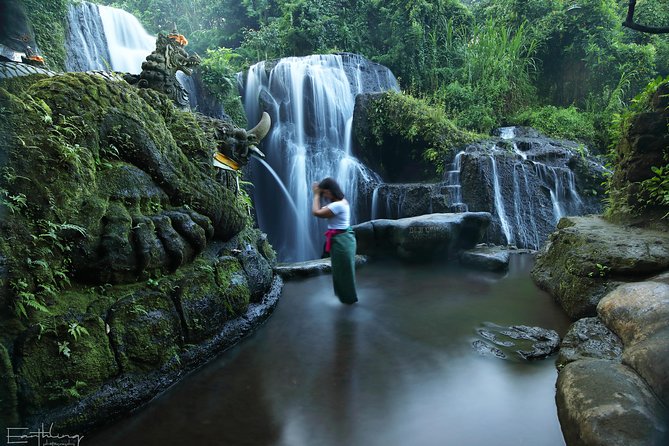
This isn’t a “walk for 10 minutes, buy a magnet” situation. You’ll spend about 4 hours in the Sangeh Traditional Village segment, and the focus is on how people actually live—within the family compound and village setting.
You can expect:
- A guided introduction to the family’s space and everyday life
- Time for questions and observation
- A clear link between daily household practice and Balinese Hinduism
The compound setting changes how you understand Balinese life. Instead of treating culture like a museum exhibit, you see how worship, family routines, and community space overlap.
One thing to keep in mind: this is a village day, so it’s not “sterile smooth.” You’re moving through real living areas. If you like places that feel tidy and controlled, you might find the informality surprising—in a good way, but still different.
Making canang sari offerings: the skill that connects everything
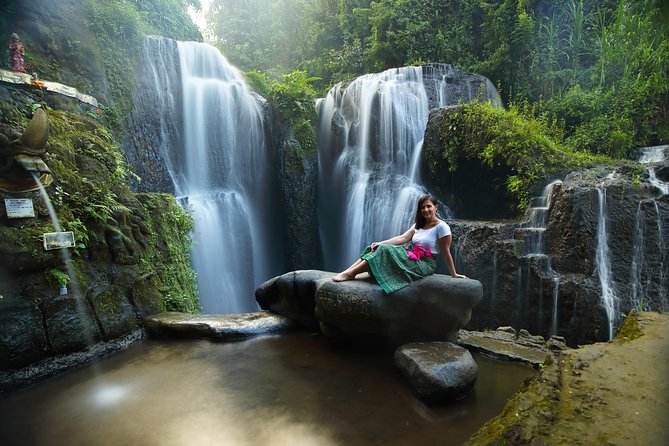
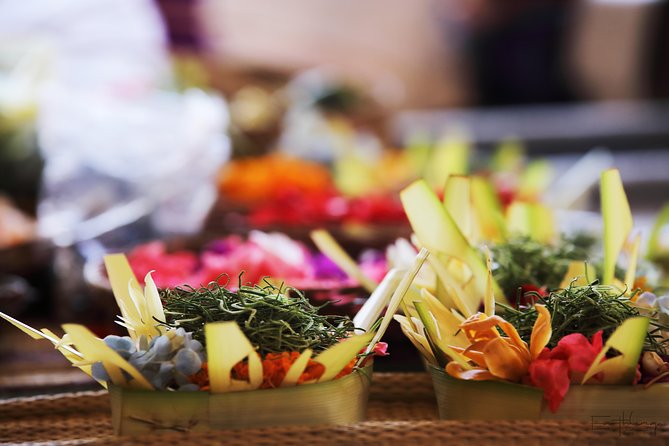
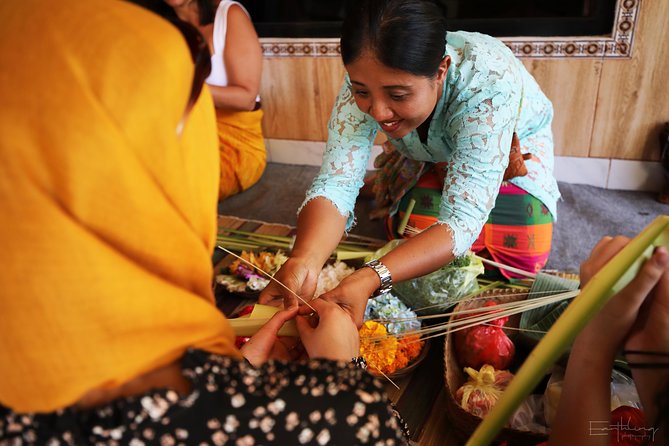
One of the best parts of this day is learning to make canang sari—the traditional daily offerings. This is where the tour becomes hands-on, and hands-on is where culture sticks.
After you learn the steps, you’ll understand the logic behind daily devotion. Offerings aren’t separate from life. They’re part of it. You’ll also see how the practice fits into a larger spiritual rhythm as the day moves toward temple and water-ritual moments.
In my view, this offering workshop is the heart of the experience for two reasons:
- It gives you something tangible to remember.
- It makes the spiritual context easier to follow during ceremonies later in the day.
If you’re traveling with kids, this is often the most engaging segment. Eric, in particular, has been praised for being patient and good at explaining traditions in a way that keeps children interested.
Temple time: cleansing ceremony and how the day turns spiritual
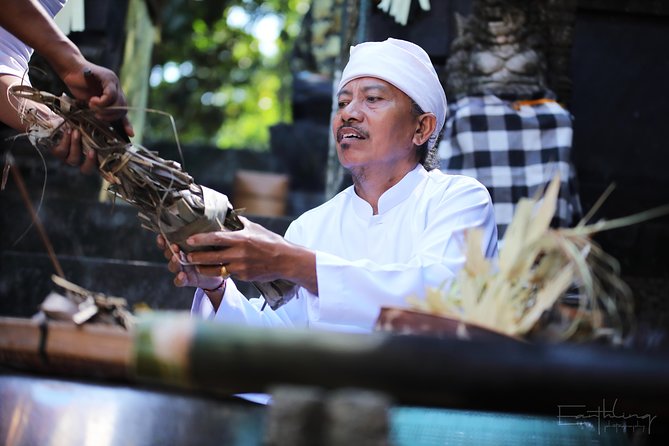
After the family and offering-making part of your morning, the schedule turns toward sacred spaces. You’ll visit a temple and take part in a cleansing and blessing experience guided by local practice.
This is the moment where you’ll feel the day’s purpose shift from learning to participating. Even if you don’t catch every word of the ritual, you’ll see the structure: worship actions, the meaning behind them, and how sacred water fits into Hindu life in Bali.
What to consider: ceremonies can move at a slower, more reflective pace than typical tourist sights. If you’re the type who gets restless during quiet moments, plan for that. On the other hand, if you’re looking for something meaningful and not just scenic, this is exactly where the tour delivers.
Lunch at a scenic warung: typical Balinese food that resets the day
At some point mid-day, you’ll eat lunch at a warung in a scenic setting. You’ll also have typical Balinese cakes earlier in the day with your morning tea.
This matters for two reasons. First, you’ll want fuel after a morning of walking and ritual attention. Second, it’s part of how the tour balances spiritual learning with everyday life—because in Bali, food and hospitality are part of culture, not an afterthought.
The warung setting also gives you a visual break. You’ll get a pause from ceremonies and village activity, then you can shift focus for the final blessing visit.
The holy water temple blessing: what to expect and how to prepare mentally
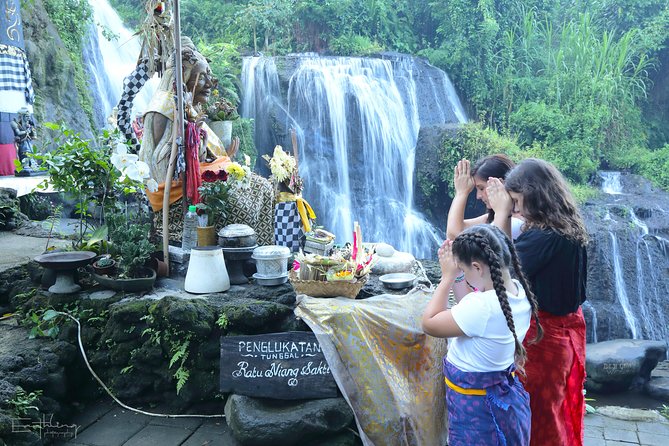
Your day includes a sacred water temple blessing ritual. The idea is straightforward: you’re there for a spiritual blessing associated with cleansing and holy water.
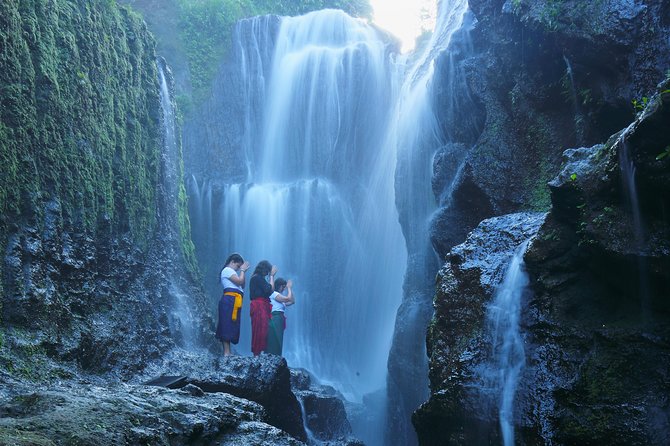
The holy-water portion is described by guests as sometimes set against a dramatic backdrop, including moments around waterfall and caves. Even if your timing and view differ, the key experience stays the same: a guided blessing ritual you can feel the significance of.
How to prepare mentally:
- Expect participation in a ceremony, not just observation.
- Keep your attention on the meaning of actions rather than trying to “collect facts.”
- Stay flexible with timing. Sacred rituals often have their own rhythm.
If you want a day that mixes education with a sincere spiritual moment, this is the part that tends to linger in memory.
Who should book this Balinese village experience in Kuta
This tour is a great fit if you want a cultural Bali day that’s more personal than a checklist. It’s especially appealing when you value small groups and a local host who can answer questions in context.
It also tends to work well for families. The experience has been praised as a nice contrast to a resort stay, and the guide approach can be friendly and patient for kids.
You might skip it if:
- You need a fully flexible, changeable itinerary (this one is non-refundable and not changeable).
- You prefer only major landmarks and don’t want to spend time in a village setting.
- You’re uncomfortable with participating in religious rituals. If you’d rather watch from a distance, you’ll want to think carefully before booking.
Should you book it or look for something else?
Book this if you’re drawn to the real mechanics of Balinese daily life: family compound time, making canang sari, and seeing how faith connects to temple practice. The included lunch plus pickup and drop-off from most south Bali hotels makes the day feel efficient without turning it into a rushed culture assembly line.
Skip it if your priority is famous sights and you dislike any schedule that requires you to commit to one fixed plan. The biggest practical decision isn’t the route or the sights—it’s that you should be confident in your dates because the booking can’t be changed.
If you want a Balinese village day that feels like it’s led by people who actually live the story, this is a strong choice for $70.
FAQ
What time does the tour start?
The tour starts at 8:30am.
How long is the experience?
It lasts about 7 hours (approx.).
What’s included in the $70 price?
The day includes 2-way transfers, lunch, and admission for the village segment. Mobile ticketing is also used.
Do they pick up and drop off from hotels?
Yes. Pickup and drop-off are offered direct to most south Bali hotels.
Is this a small group tour?
Yes, it has a maximum of 10 travelers.
Is it refundable if my plans change?
No. The experience is non-refundable and cannot be changed for any reason.