Reviewed · BALI
Discover Balinese Mystic & Death Ritual in Bali
Death rituals in Bali are not what you expect. This private day packs Trunyan Cemetery and Bayung Gede birth customs into one long, meaningful loop, plus temple stops and a Kintamani volcano view. It is built for curiosity, not passive sightseeing, and you can customize it to match your pace and interests.
I love that the tour is private and can be tailored, so the day feels less rushed than typical group loops. I also like that so much is handled for you: air-conditioned vehicle, speedboat, bottled water, and admission/donation fees are included, which usually means fewer surprises at the counter.
One drawback to think about up front: this is an intense topic day. You’ll see death-related burial practices and birth-related rituals, and it is not recommended for woman in monthly period.
In This Review
- Key things to know before you go
- Why Trunyan and Bayung Gede feel like another Bali
- Price and what you actually get for $81.80
- Your route: speedboat time, road time, and a packed 8–10 hours
- Stop 1: Trunyan Cemetery and the bamboo-cage burial tradition
- Stop 2: Bayung Gede and the birth ritual with hanging newborn placentas
- Stop 3: Kintamani Plateau for Batur Volcano and Lake views
- Stop 4: Kehen Temple and the steps of heaven
- Stop 5: Penglipuran Bamboo Forest and the old village system
- Guides make the difference: Mertha and Ah Gung’s style of explanation
- Who should book this tour, and who should skip it
- Practical tips to get more from the day
- Should you book this Balinese Mystic & Death Ritual tour?
- FAQ
- How long is the Balinese Mystic & Death Ritual tour?
- Where does the tour take place?
- Is pickup included?
- Is the tour private?
- Does the price include admission fees?
- Is lunch included?
- Does the tour include a speedboat ride?
- What is included in the tour cost?
- Is there any restriction on who can join?
- What is the cancellation policy?
Key things to know before you go
- Trunyan Cemetery burial tradition: no cremation, and you’ll learn how bodies are handled in bamboo cages after cleansing rituals
- Bayung Gede newborn placentas: a unique birth-related practice you won’t see anywhere else
- Speedboat included: you’ll spend part of the day on the water as you move between sites
- Temple and viewpoint mix: Kehen Temple and Kintamani add context beyond just rituals
- Long day, lunch extra: expect 8 to 10 hours, and you’ll pay for lunch separately
- Private means better questions: guides like Mertha and Ah Gung can explain slowly and patiently
Why Trunyan and Bayung Gede feel like another Bali
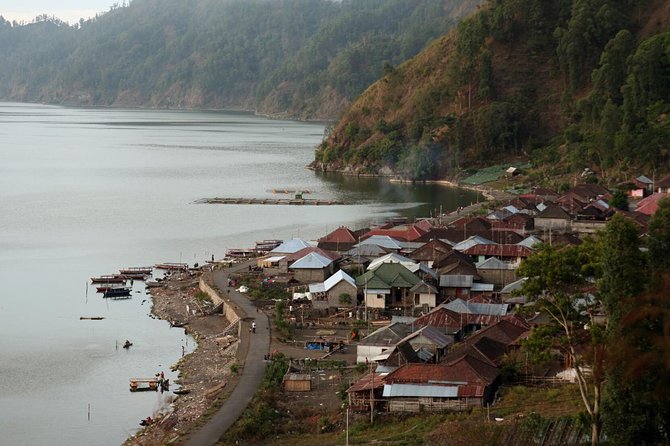
This tour is a strong choice if you want Bali that goes past the postcards. You come for the mystical side of Balinese life, and you get both ends of the story—birth rituals at Bayung Gede, then death rituals at Trunyan. The difference between these two places is the point. One deals with the start of life, and the other with what happens after death, and the day connects them with explanations from your guide.
The Trunyan stop is the main event. The village lives by traditions that differ sharply from the rest of Bali, and that contrast sets the tone for everything that follows. Then Bayung Gede shifts the focus to an ancient village believed to be the parent of other old villages in Bali, where newborn placentas are displayed in a way that many people travel specifically to see.
If you prefer a light, casual tour with only scenery, this might feel heavy. But if you like learning how people make meaning out of life and death, it can be a powerful day.
Still narrowing the shortlist? These are the Kuta tours travellers book most.

Price and what you actually get for $81.80
At $81.80 per person, this is not a luxury splurge. It is also not just a basic car rental with a couple of quick stops. Your money goes toward a full day structure: air-conditioned vehicle, bottled water, speedboat, and the admission plus donation fees.
That inclusion matters. In Bali, the cost of entry tickets and small donation requests can add up fast when you book several sites separately. Here, many of those fees are already covered, so you can budget your day around lunch and personal expenses only.
A note on value: the total time is listed at 8 to 10 hours. That is a big block of time, and the price starts to make more sense if you treat it as one complete cultural circuit rather than five individual half-days.
Your route: speedboat time, road time, and a packed 8–10 hours
You should plan this as a long day. You get pickup offered, private-only for your group, and an air-conditioned vehicle. That helps. The day still moves at the rhythm of multiple stops, including a speedboat ride and several site visits.
Here is the practical reality: your comfort will depend on timing and the road conditions on the day you go. One past booking mentioned that long travel time and mountain roads made the drive a challenge before reaching the lake area and then taking a one-way boat trip to continue. Translation: if you get motion discomfort easily, or you simply dislike long winding drives, build in patience.
What you can do: bring water habits in mind, plan to eat lunch separately, and accept that this tour trades flexibility for depth. It is not a quick hit.
- Nusa Penida day trip: boat, 4 snorkeling, Manta rays & Land tour★ 5.0 · 2,033 reviews
- Bali Nusa Penida West Private All-Inclusive Tour★ 5.0 · 1,277 reviews
- Mount Batur Sunrise Trekking Private Tour with Breakfast and Hotel Transfer★ 5.0 · 885 reviews
- Individual Bali Day Trip with Private Driver and Free WiFi★ 5.0 · 755 reviews
- Waterbom Bali Tickets – Single Day Pass★ 4.5 · 620 reviews
Stop 1: Trunyan Cemetery and the bamboo-cage burial tradition
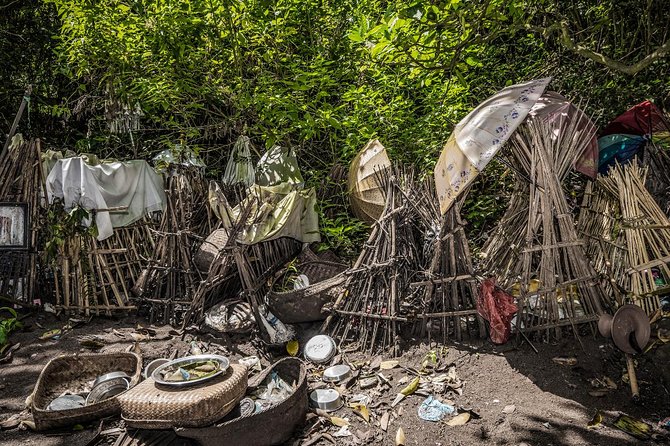
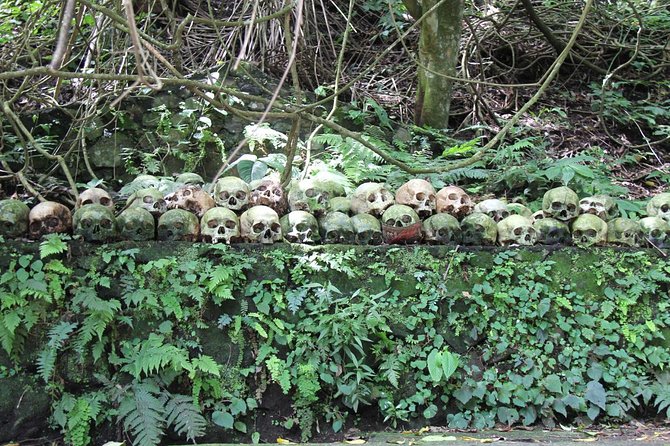
Trunyan Cemetery is where the tour earns its name. This is not about a generic gravesite. The key detail is that the Trunyanese do not cremate their dead. That single difference changes how the whole ritual story unfolds.
After a cleansing ritual, the dead body is placed in a bamboo cage. That practice is described as part of the local tradition, and it is handled with a seriousness that visitors should treat with respect. You’ll spend about 1 hour here, with an admission ticket included.
What to watch for: the emotional tone. If you are the type who wants to take photos and move on, you might feel out of place. If you are comfortable with learning about death rituals as part of living culture, the time works better. Read up a little before you go if you want the context to land smoothly. One review-style tip from prior guests was basically: research the topic first, because it is unusual, and being prepared changes the experience.
Stop 2: Bayung Gede and the birth ritual with hanging newborn placentas
After Trunyan, Bayung Gede shifts the day from death customs to birth customs. Bayung Gede is believed to be the parent of all of the ancient villages in Bali, and it is known for hanging newborn placentas—something that makes many people come specifically for this stop.
You’ll spend about 1 hour here, and the admission is listed as free for this stop. That is a nice bonus: you get a unique practice without an extra ticket cost.
How this fits the bigger theme: the tour does not treat life events as separate topics. Birth and death are presented as both part of the same cultural logic. Even if you do not agree with every belief, you can still understand how a community creates meaning and continuity.
One practical consideration: because this is a birth ritual that is visually distinctive, be honest with yourself about comfort. If you feel squeamish about bodily rituals of any kind, this may test you more than the temple stops will.
Stop 3: Kintamani Plateau for Batur Volcano and Lake views
Kintamani Plateau is the palate cleanser. Instead of ritual scenes, you get a viewpoint stop: you’ll look out toward Batur Volcano and Lake.
Time here is shorter, around 30 minutes, and admission is included for the stop. That means you should use the time with purpose. Come ready to look, not to snack first, because the day’s structure expects you to stay moving.
What I like about including Kintamani is that it broadens the day. You are not stuck only in ceremony and temple interiors. You also get a different kind of insight: how geography shapes what people see and how they live.
Stop 4: Kehen Temple and the steps of heaven
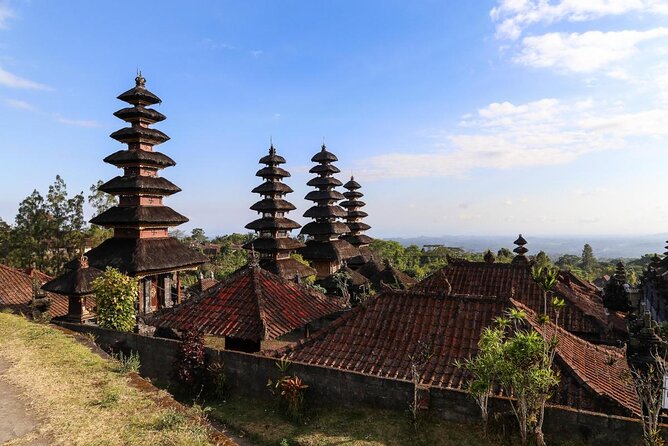
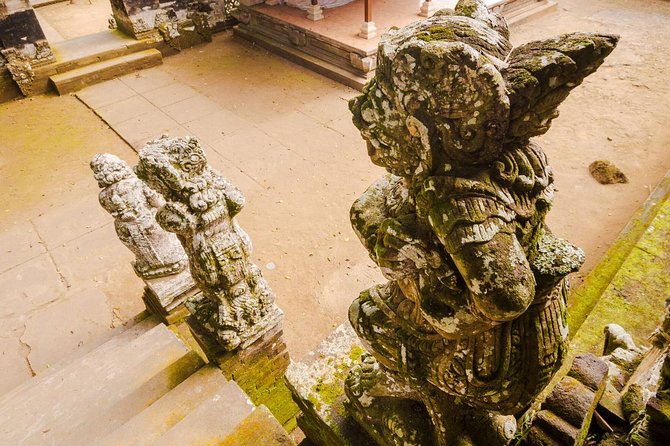
Kehen Temple is another 1-hour stop, with admission included. It is described as having the famous steps of heaven, which gives you a clear idea of what you will encounter once you arrive: a set of steps, a temple setting, and time spent walking and looking.
This is a good spot for balance. After the intensity of Trunyan and the unusual birth imagery at Bayung Gede, Kehen brings you back to a religious site experience where the focus is less on one specific bodily ritual and more on the temple environment.
Practical note: since this stop emphasizes steps, comfortable footwear helps. If your legs tire easily, consider taking slower steps and letting your guide know. It is private, so the pace can be easier to manage than a group tour.
Stop 5: Penglipuran Bamboo Forest and the old village system
Penglipuran is presented here as a bamboo forest experience tied to the old village. You’ll spend about 1 hour, and admission and donation fees are included for the stop.
What you get is not just trees and walking paths. The tour frames Penglipuran as a place where you can see unique architecture, a social system, and a belief system. That matters because it turns the visit from scenery into understanding.
I like how this final stop connects back to the start. Trunyan is tradition in daily life, Bayung Gede is ancient village belief tied to birth, and Penglipuran is tradition expressed in how a community is built and organized. The day ends with a more “lived-in” feel.
Guides make the difference: Mertha and Ah Gung’s style of explanation
On a tour like this, the guide is not optional. It is the difference between seeing sites and actually understanding them.
One past booking praised Mertha as friendly, helpful, and clearly able to explain what you are seeing, making it feel like the whole day clicks rather than just checking boxes. Another booking highlighted Ah Gung for patiently sharing and explaining culture and practices. The common theme is patience. And on topics like burial and birth rituals, patience is what helps you process.
If you can, come with a few questions. Ask what the cleansing ritual means, how the bamboo-cage practice fits community life, or why Bayung Gede is considered a parent village. A good guide will use your questions to shape the day, and since this is private, your curiosity actually drives the flow.
Who should book this tour, and who should skip it
This is best for you if:
- you want Balinese mystic traditions with real context, not just quick temple snapshots
- you are comfortable with death and birth-related rituals as cultural learning
- you like private tours where your group can ask questions at a slower pace
Skip or reconsider if:
- you prefer light, low-emotion sightseeing
- you get uneasy with ceremonies that involve human bodies and rituals around them
- you fall under the tour’s note about not being recommended for woman in monthly period
Also, note the lunch situation. Lunch costs extra. A full day with lunch as an extra purchase means you should plan your appetite and your budget.
Practical tips to get more from the day
A tour like this runs on mental setup as much as it runs on time. Here are smart, grounded ways to make it work:
- Do a little research before you go so the rituals feel less shocking and more understandable. One of the best pieces of advice from prior experiences was exactly this.
- Expect a long day and treat it like one connected itinerary rather than separate stops. The speedboat and multiple site visits mean you will not be stopping for long breaks.
- Plan around lunch since it is not included. Keep some flexibility for where you eat based on your day’s routing.
- Bring patience for the ride. If you are sensitive to winding road time, it helps to mentally brace for it.
Should you book this Balinese Mystic & Death Ritual tour?
If you want Bali as a cultural lesson—real, unusual, and not afraid of life-and-death themes—this is a strong pick. The value is good because speedboat, air-conditioned transport, bottled water, and many admission/donation fees are included in the $81.80 price, and you get the depth of a private day with a guide who can explain slowly.
But if the idea of death burial practices or birth rituals makes you uncomfortable, you’ll probably feel stressed more than enriched. For the right mindset, this tour can be one of the most memorable cultural days you plan in Bali.
FAQ
How long is the Balinese Mystic & Death Ritual tour?
It runs about 8 to 10 hours.
Where does the tour take place?
The location listed is Kuta, Indonesia.
Is pickup included?
Yes, pickup is offered.
Is the tour private?
Yes. It is a private tour/activity, meaning only your group participates.
Does the price include admission fees?
Many admissions and donation fees are included, and admission is noted as included/free for specific stops.
Is lunch included?
No. Lunch costs extra.
Does the tour include a speedboat ride?
Yes. A speedboat ride is included.
What is included in the tour cost?
Included items are bottled water, speedboat, air-conditioned vehicle, fuel surcharge, parking fees, and admission & donation fees.
Is there any restriction on who can join?
It is stated that most travelers can participate, but it is not recommended for woman in monthly period.
What is the cancellation policy?
Free cancellation is available up to 24 hours in advance for a full refund. If you cancel less than 24 hours before the start time, the amount paid is not refunded.