Reviewed · BALI
Highlight of Bali Tour
Gongs, coffee, and bamboo in one long day. This full-day Bali highlights route feels like a greatest-hits tour of the island interior, with Blahbatuh gong-making and Penglipuran’s bamboo walk as the headliners. I love how hands-on the craft stops are, and I really like that you end with real village life instead of only museum photos. One thing to plan for: it’s a long day, and traffic can stretch your schedule.
The best part is the rhythm: you move from making music (literally) to seeing how the past is preserved, then to smelling coffee and spices, and finally to cooling down in the Kintamani highlands before the day wraps in Penglipuran rice-and-bamboo scenery.
Based on what I’ve seen in feedback for guides like Sande, Oka, and Radi, the quality often comes down to your guide’s explanations—so if you’re picky about learning something real, it’s worth choosing this with that in mind.
In This Review
- Key Things You’ll Notice on This Bali Highlights Day Trip
- A One-Day Circuit From Nusa Dua to Mount Batur Views
- Blahbatuh Gong-Making: Where Balinese Music Starts
- Gedong Arca Archaeological Museum: Stone Sarcophagi and Rare Finds
- OKA Agriculture Bali: Coffee Trees, Spices, and the Luwak Coffee Pitch
- Kintamani Highland Stop: Mt Batur and Lake Batur in Cooler Air
- Penglipuran Village: Costume Rental and Bamboo Paths
- Afternoon Coffee or Tea at Bukit Jati
- Price and Logistics: Does $70.52 Offer Real Value?
- Time on the Road: The Day Length and Traffic Reality
- Guide Quality Makes a Big Difference
- Who This Tour Fits Best (and Who Should Skip It)
- Should You Book This Full-Day Bali Highlights Tour?
- FAQ
- How long is the tour from start to finish?
- Do you get hotel pickup and drop-off?
- Are entrance fees included?
- Is lunch included or do I pay separately?
- Do you get to try Luwak coffee?
- What’s the maximum group size?
Key Things You’ll Notice on This Bali Highlights Day Trip
- Blahbatuh gong-making: watch instruments get molded, painted, and tuned by ear
- Gedong Arca Museum: stone coffins and ancient carvings in a museum built for history lovers
- Luwak coffee tasting at OKA Agriculture Bali: teas, coffee flavors, plus a story about how it’s made
- Mount Batur viewpoints in Kintamani: Mt Batur and Lake Batur scenery from the highlands
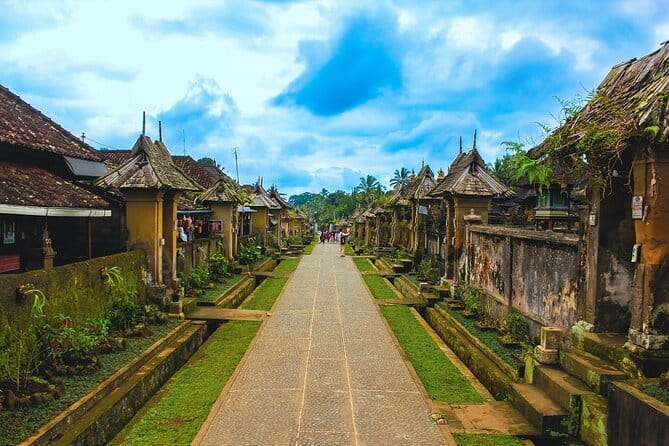
- Penglipuran village visit: traditional costume rental and a walk through the bamboo-rich village paths
A One-Day Circuit From Nusa Dua to Mount Batur Views
This tour is designed for one thing: you want a lot of Bali interior in one day without having to plan a route yourself. You start from the Nusa Dua area (with pickup options in nearby major hotel zones), then ride in an air-conditioned vehicle with an English-speaking licensed guide.
Expect an approximate 12-hour day. The timing is confirmed when your tour is reconfirmed, and you’ll get your exact pickup time verified. The route itself is broken into a sequence of cultural workshops, a history stop, a plantation, a volcano-viewing highland segment, and finally a village that feels calmer and more walkable.
If you’re the type who likes to see a snapshot of a place, this works. If you hate long coach rides or you want zero “factory-like” stops, you’ll want to read the next sections carefully.
Still narrowing the shortlist? These are the Nusa Dua tours travellers book most.



Blahbatuh Gong-Making: Where Balinese Music Starts
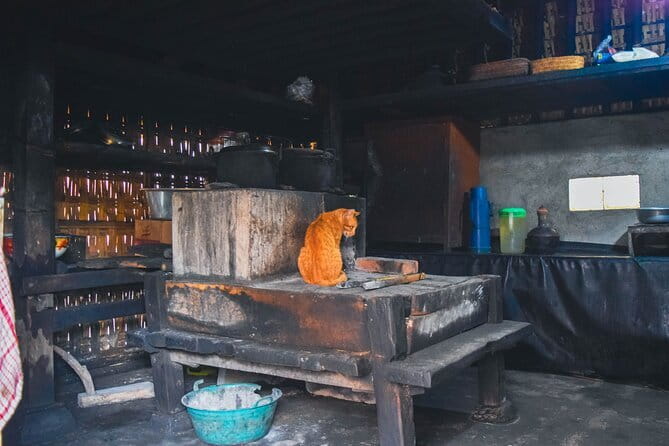
Blahbatuh Village is the kind of stop that makes a tour feel real, not rushed. You go to a gong-maker’s area and watch how the instruments are built and finished. This isn’t just a quick look—you’re there long enough to see the process and understand what makes the sound work.
You’ll learn about how a gong is molded and painted, and how it’s hand-tuned using the maker’s ear. The whole point is that Balinese gamelan music is built from interlocking parts: small bells and larger gongs that all fit together. This is a great stop if you’re the sort of person who enjoys craft and local technique more than scenery.
A practical note: your time here is short (about 30 minutes), so don’t count on lingering for every detail. I’d go in with one or two questions ready, like what part affects the tone most, or how the pieces are matched to the full gamelan sound.
Gedong Arca Archaeological Museum: Stone Sarcophagi and Rare Finds
Next comes Gedung Arca, also known as the Arca Building Archaeological Museum. If you like learning how islands lived before modern times, this stop has actual “wow” objects.
You’ll see:
- stone carvings and sacred manuscripts
- a rare stone coffin associated with Balinese royalty in the past
- bronze bells from the 15th century
- giant stone sarcophagi dating back to around 500 BC
Your visit is roughly 45 minutes. That’s just enough time to skim the highlights and still feel like you didn’t waste the ticket. If you’re a serious museum person, you might wish you had more time, but for most day-trip schedules, this is a solid inclusion.
What I like: this museum stop doesn’t feel like shopping-by-another-name. It’s framed around objects and history, and your guide’s explanations can turn it from static displays into something you remember later.
- Bali Instagram Tour – Lempuyang Bali Gate of Heaven★ 5.0 · 149 reviews
- Bali Parasailing Adventure,Banana Boat,Jet Ski and Donut Boat with Transfers★ 5.0 · 130 reviews
- Devdan Show★ 4.5 · 113 reviews
- Mount Batur Sunrise Trekking and Rice Terrace Adventure★ 5.0 · 111 reviews
- Uluwatu Temple, Beaches and Southern Bali Tour★ 4.5 · 81 reviews
OKA Agriculture Bali: Coffee Trees, Spices, and the Luwak Coffee Pitch
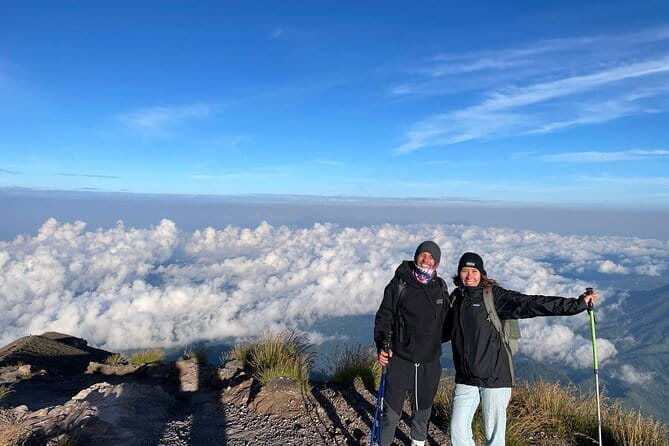
After the museum, you shift from stone to smell. At OKA Agriculture Bali, you walk through fields of coffee trees and see other plants grown for food and traditional uses—tropical fruit, herbs, and spices. You also get a tasting session for locally made teas and coffees, including Luwak coffee.
In plain terms: this is one of those stops that can be educational or a little salesy, depending on your guide and how you handle samples and recommendations. The good news is that the tasting part is real—multiple flavors and brews—and it helps you understand why Bali coffee culture is such a big deal.
One story you may hear is the account about how luwak coffee involves mongoose activity: beans are eaten and then collected after the mongoose processes them, then turned into coffee. The point isn’t to treat it like a lab report—it’s to understand the tradition and the product claim behind the world-famous coffee.
If you’re not a coffee person, don’t panic. The session includes tea as well, and ginger and lemon grass type flavors come up in explanations. I’d still go, because tasting is one of the best ways to make plantation stops feel worth the time.
Kintamani Highland Stop: Mt Batur and Lake Batur in Cooler Air
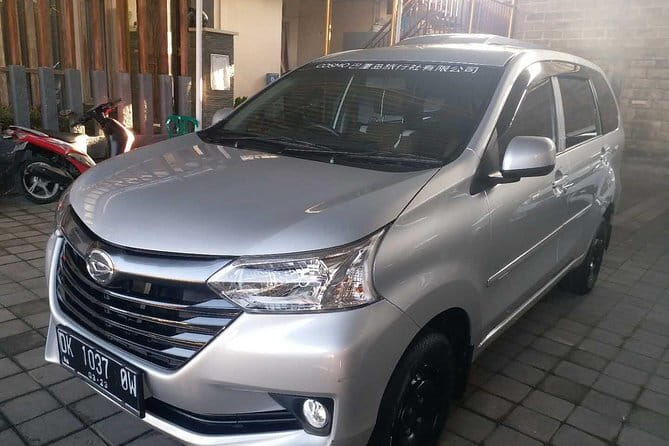
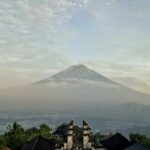
Then you head into the Kintamani highlands. This is the visual “breather” in the day. You get about an hour to take in Mount Batur and Lake Batur.
The scenery is the hook: Mt Batur is an active volcano, and you may be able to see black lava descending from the crater toward the valley. Even when clouds roll in, you’re still looking down over Lake Batur, which is described as Bali’s widest lake.
Lunch here is where the day gets a bit tricky because the information isn’t perfectly consistent:
- Your tour listing says lunch is at your own expense at a local lakeside restaurant.
- The included details say lunch can be part of selected packages (Indonesian buffet lunch).
So here’s my practical advice: check your exact package wording before you go, and bring some extra cash just in case lunch is not included.
Also, plan for time. Lunch can become the slow part of the day—especially in traffic-heavy Bali conditions—so don’t treat this hour as a relaxed meal if you hate rushing.
Penglipuran Village: Costume Rental and Bamboo Paths

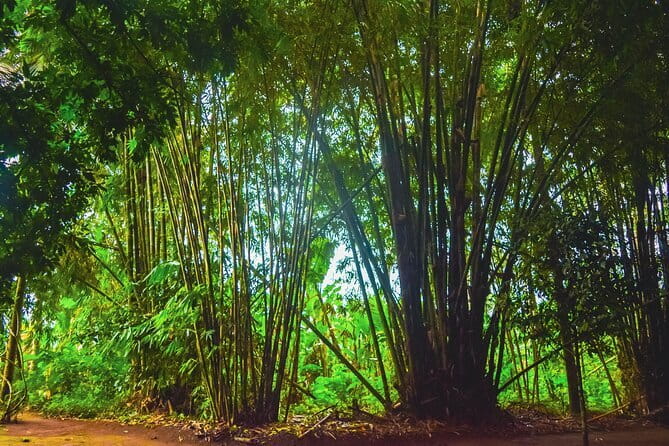
Penglipuran Village is the final culture-and-walk stop, and it’s the one many people remember for how peaceful it feels compared to busier areas. You enter through the village gates, and you may pass through a bamboo forest area on the way in.
A real plus: you get traditional Balinese costume rental for the village visit. It’s not just a photo prop—wearing the outfit helps you participate in the experience instead of standing outside it.
You’ll also stroll preserved village streets, and the day includes time at a nearby bamboo plantation area. You’re there for about an hour.
I like this ending because it slows down the pace. After workshop stops and museum objects, it feels good to walk, look around, and see everyday village life without needing to buy anything immediately.
One small consideration: because this is a popular village, you’ll still see other groups. The main value comes from your guide’s context and how you time your photos and walking.
Afternoon Coffee or Tea at Bukit Jati
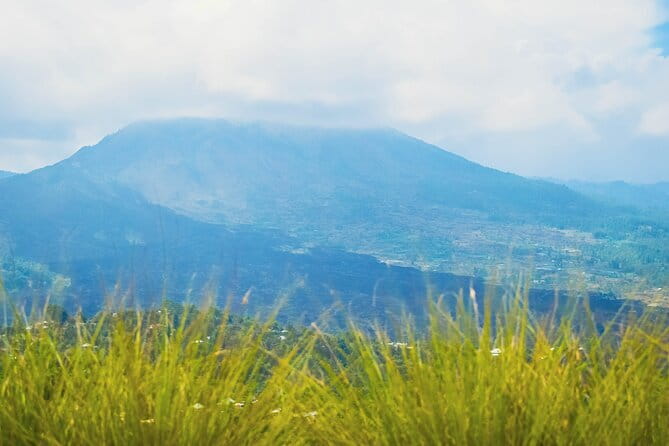
After Penglipuran, the tour finishes with afternoon tea or coffee at Bukit Jati. The setting is described as rice fields with ocean views beyond. This is a nice way to end the day—small, easy, and scenic—especially if you’ve been on the road since morning.
This is also a good time to ask your guide a few last questions and confirm what time you’ll be picked up for the return trip. Most of the “day trip stress” comes from uncertainty, and this tour works best when you treat the schedule like a moving target (because traffic is real).
Price and Logistics: Does $70.52 Offer Real Value?
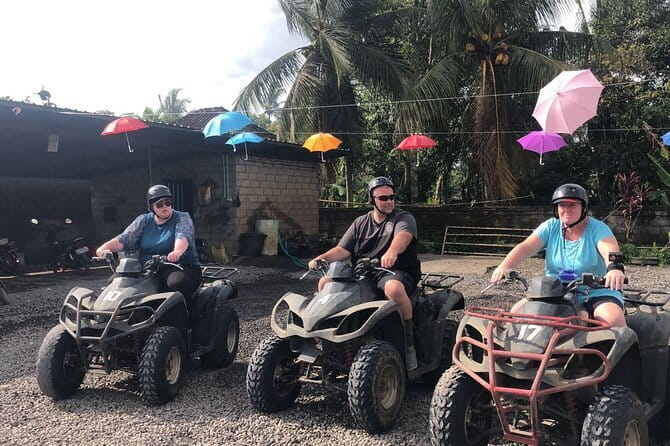
At $70.52 per person, the value depends on what you want from the day. This price is positioned as a full package with an English licensed guide, air-conditioned transport, entrance fees, and several extras that add up if you were doing it on your own.
Here’s what you’re paying for that matters:
- Pickup and drop-off from major hotel zones in Kuta, Seminyak, Sanur, Jimbaran, and Nusa Dua area
- an English-speaking licensed guide
- entrance fees for included stops
- lunch if your package includes it
- coffee and/or tea plus Luwak coffee and traditional cake (served on the day)
- traditional costume rental at Penglipuran
- insurance
That combination is the reason this tour can feel worthwhile for first-time visitors. If you’re building a DIY itinerary, you’d still pay for transport time, a guide, and entrance fees—plus you’d spend time coordinating where to go next.
Potential drawback: like many Bali day circuits, some stops can feel shop-adjacent. Reviews mention the day can include several artisan-style places where purchasing is encouraged (silver, wood carving, textiles, and similar). I’m not saying it’s bad—some of it supports local work—but if you don’t want pressure, go in mentally prepared to say no politely and move on.
Time on the Road: The Day Length and Traffic Reality
Even with a clear “12 hours approx.” promise, Bali traffic can stretch things. One set of feedback flagged a long day range (around 8:30am to 7pm) when roads were busy. That means your comfort matters:
- Wear something you can travel in for long hours.
- Keep water with you if allowed by your driver.
- Don’t schedule anything right after your return.
Also note the group size: the maximum is listed as 99 travelers. In practice, that doesn’t mean you’ll be in a giant mob at every stop, but it does raise the chance that you’ll be grouped and moved in chunks rather than as a tight, custom experience.
The upside is that with professional guides, you can still get good storytelling and smooth transitions. The downside is you may not feel totally in control of the pacing.
Guide Quality Makes a Big Difference
This tour lives or dies by your guide’s explanations. The strongest feedback I saw centered on guides like Sande, Oka, and Radi, with praise for being informative about history and culture and for keeping the day moving well.
At least one guide also showed flexibility—adjusting the stops to avoid repeats if someone had already seen similar things, or swapping in a stop like a silver workshop if time allows. Another positive note: when the group was very small, the guide could tailor where to spend time.
On the flip side, not every day is the same. One review mentioned an English issue with limited guide speaking, and another described a guide mostly quiet and resting during the ride. If learning matters to you, I’d treat guide quality as the key variable and keep your expectations realistic for a group tour.
Who This Tour Fits Best (and Who Should Skip It)
This is a good fit if you want:
- a single-day sampler of Bali’s interior culture
- hands-on craft experiences like gong-making
- coffee and spice tastings
- major scenery in Kintamani and an easy village walk at the end
It’s less ideal if you:
- hate long coach rides and traffic uncertainty
- want a tour with no shop stops or purchasing pressure at all
- expect a pure temple-focused itinerary (this one leans more craft, museum, agriculture, and village)
If you’re in Bali for a short time and you’d rather get the highlights first, this delivers. If you already love DIY and have transportation lined up, you might prefer a more targeted route.
Should You Book This Full-Day Bali Highlights Tour?
I’d book this if your goal is a structured, high-coverage day from Nusa Dua that mixes crafts, history, coffee culture, and the Mt Batur viewpoint—without you doing the planning math. The extras (entrance fees, guide, Luwak coffee/tea, costume rental, and included transport) are what make the $70.52 feel like more than just another bus day.
But I’d pause before booking if you know you get annoyed by long itineraries and time spent near sales counters. If that’s you, be ready to say no, keep your attention on the stops with actual demonstrations (like the gong-making), and don’t plan anything tight right after the tour.
If you do go, treat it like a “greatest hits” day: enjoy the craft and culture parts, take your photos, ask questions, and let the views in Kintamani be your payoff.
FAQ
How long is the tour from start to finish?
The duration is listed as approximately 12 hours.
Do you get hotel pickup and drop-off?
Yes. Pickup and drop-off are included from major hotels in Kuta, Seminyak, Sanur, Jimbaran, and the Nusa Dua area.
Are entrance fees included?
Yes. Entrance fees are included for the stops listed in the itinerary.
Is lunch included or do I pay separately?
Lunch is described as a buffet lunch included in selected packages, but the itinerary also notes lunch at your own expense at the Kintamani area. Check your exact package details before you go.
Do you get to try Luwak coffee?
Yes. The plantation stop includes coffee and/or tea, and Luwak coffee is part of the tasting session.
What’s the maximum group size?
The tour lists a maximum of 99 travelers.