
Reviewed · BALI SCUBA DIVE TRIPS
PADI Open Water Course
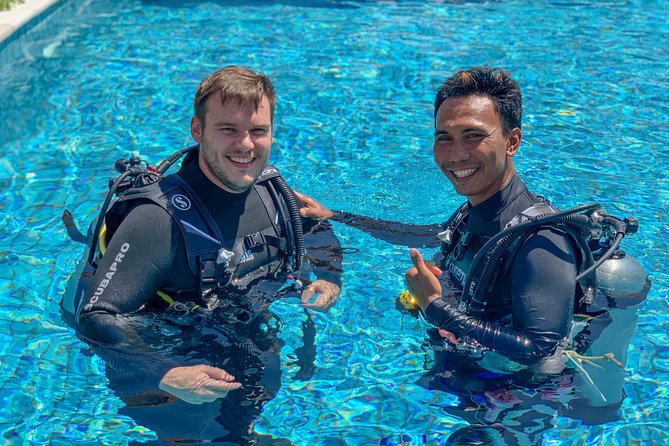
Scuba training in Bali feels surprisingly doable. This PADI Open Water Course is built to teach the core skills you’ll use for your whole diver life, then wrap them into four open-water sessions over three days in Padang Bai and Tulamben. I love how structured it is, from Knowledge Development to Pool Training, and I love the small-team size so you get real attention instead of being just another student.
One thing to plan around is the health gate. You’ll fill out a questionnaire, and certain respiratory or circulatory issues, recent colds, or flying within 18 hours can rule you out, so don’t book this as a casual add-on if you’re even slightly unsure. On the plus side, you get hotel pickup, an air-conditioned minivan, and a day with bottled water, lunch, coffee or tea, and snacks included.
In This Review
- Key reasons this course is worth your time
- PADI Open Water in Kuta: what this course is really for
- Day-by-day plan: Knowledge Development, Pool Training, and the four open-water sessions
- Phase 1: Knowledge Development (the stuff that keeps you calm)
- Phase 2: Pool Training (skills, repetition, and real feedback)
- Phase 3: Four open-water sessions (Padang Bai + Tulamben)
- Neptune Scuba setup: pickup, included meals, and a low-drama schedule
- Padang Bai and Tulamben: where you test your skills in the real world
- The coaching style matters: what the team gets right
- Health rules and timing: what can derail your course
- Price and value: is $530 fair for three days of instruction?
- Practical tips before you book (so your course feels smooth)
- Should you book this PADI Open Water Course with Neptune Scuba?
- FAQ
- How long is the PADI Open Water Course?
- What’s the maximum depth I can train for during the certification?
- What are the main phases of the course?
- Where do the open-water sessions take place?
- Is hotel pickup and drop-off included?
- How do I get my tickets?
- What’s the maximum group size?
- What is the minimum age requirement?
- Do I need to complete a health questionnaire?
- Are souvenir photos included?
- FAQ
- Is it okay to start the course right after flying?
- What are the operating hours?
- Where is the meeting point?
- Does the activity end back where I meet?
- Is free cancellation available?
Key reasons this course is worth your time
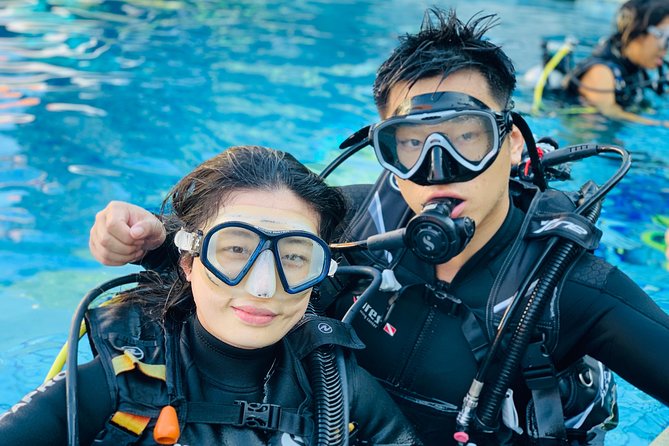
- Small group size (max 3 travelers): easier coaching and less waiting around.
- 3-day structure that actually builds skills: Knowledge Development → Pool Training → four open-water sessions.
- Real confidence, not just a checklist: you learn the knowledge and skills for safe independent diving to 18m.
- Strong instructor support (names you may meet): Muli, Gede Ariawan, Julian, Sia, plus guide Agus.
- Well-fed and well-driven: included drinks, lunch, snacks, and AC transport.
PADI Open Water in Kuta: what this course is really for
If you’re aiming for beginner scuba certification in Bali, the PADI Open Water Course is the standard starting point. The big promise isn’t just that you’ll finish training—it’s that you’ll leave as a confident, independent diver who can stay safe to a maximum depth of 18m.
This course also has a practical rhythm. It doesn’t throw everything at you at once. You start with the brain part (Knowledge Development), then you practice the skills in controlled conditions (Pool Training), and only then do you move into open water for the four required sessions.
And it’s designed to fit real vacation life. You’re in Kuta-area Bali, but the training base and logistics are handled with pickup and an air-conditioned minivan. That matters if you don’t want your holiday to become a “figure it out yourself” project.
More Nusa Penida and Tulamben dives worth booking
Day-by-day plan: Knowledge Development, Pool Training, and the four open-water sessions
This course runs for about 3 days. The training is split into three main phases, and each phase has a job.
Phase 1: Knowledge Development (the stuff that keeps you calm)
The Knowledge Development part is where you learn the concepts and safety rules that later turn into instinct. Even if you’re not a science person, this is the phase that helps everything else make sense—how air management works, what to do when something feels off, and how to use the skills correctly.
One useful detail from the way the course can be handled: you might be able to do your theory online before you travel. That’s handy if you’re trying to reduce what you do during the first day in Bali, especially if you’re jet-lagged or just don’t love classrooms.
- Nusa Penida day trip: boat, 4 snorkeling, Manta rays & Land tour★ 5.0 · 2,033 reviews
- Bali Nusa Penida West Private All-Inclusive Tour★ 5.0 · 1,277 reviews
- Mount Batur Sunrise Trekking Private Tour with Breakfast and Hotel Transfer★ 5.0 · 885 reviews
- Individual Bali Day Trip with Private Driver and Free WiFi★ 5.0 · 755 reviews
- Waterbom Bali Tickets – Single Day Pass★ 4.5 · 620 reviews
Phase 2: Pool Training (skills, repetition, and real feedback)
Next comes Pool Training. This is where you practice the core techniques in water that’s more forgiving than open water. It’s also where a good instructor makes a difference. Instructors like Muli are praised for patient teaching and for helping students improve specific skills like buoyancy control.
If you’re worried about being a non-swimmer or feeling awkward at first, Pool Training is usually where that anxiety gets handled. The goal is to help you feel comfortable with the equipment, body position, and the safety procedures before you’re out in open water.
Phase 3: Four open-water sessions (Padang Bai + Tulamben)
On the open-water side, your certification training includes four open-water sessions. These happen in Padang Bai and Tulamben, which is a strong pairing because it gives you more than one kind of real-world shoreline and conditions.
Here’s what that does for you as a beginner: it trains you to apply what you learned when things aren’t perfectly predictable. Your buddy skills, buoyancy habits, and communication all have to work together, but you’re still doing it inside a structured course framework.
Neptune Scuba setup: pickup, included meals, and a low-drama schedule
Your first contact point is Neptune Scuba at Jl. Suka Merta, Sanur Kauh (Sanur Kauh, Denpasar Selatan, Bali). The activity runs within the provider’s daily hours of 7:00 AM to 6:00 PM.
The experience includes:
- Hotel pickup and drop-off
- Transport by air-conditioned minivan
- Bottled water, lunch, snacks, and coffee or tea
- A driver/guide and a professional guide
That bundle matters more than it sounds. A three-day course can feel chaotic if you’re constantly moving between places and figuring out meals. Here, the basics are handled, so you can focus on learning.
Also, the experience caps at 3 travelers. That tends to mean a calmer feel at the center. Instead of getting rushed between tasks, you’re more likely to have time for clarification—and that’s exactly what you want when you’re learning control skills for safety.
Padang Bai and Tulamben: where you test your skills in the real world
You’re not just checking a box in a single location. The course includes open-water sessions in Padang Bai and Tulamben, two areas that bring variety to the training.
For me, the value of splitting training across these locations is simple: skills improve faster when you practice them in more than one setting. You’ll be dealing with different entries/exits, different pacing, and different situational reality than a single “perfect” spot.
There’s also a comfort factor. You’ll have days where the plan is to learn, practice, and build confidence step by step. That reduces the chance that one stressful moment defines your whole course.
The coaching style matters: what the team gets right
This is where the course earns its strong reputation. The training experience centers on patient instruction and organized support, and you’ll likely feel that during both pool practice and the open-water sessions.
I’ve seen a consistent theme in the way people describe their instructors and guides:
- Gede Ariawan is praised for being kind, personal, passionate, and for knowing exactly what to teach next.
- Julian gets credit for guiding a beginner-friendly experience from start to finish.
- Sia is described as patient and professional during the full three-day progression.
- Agus is mentioned as a dive guide who supports the group well.
- Muli earns specific praise for helping with buoyancy control and for encouragement—especially for students who aren’t confident swimmers.
Why this matters for you: beginner training is mostly about communication and feedback timing. You want someone who can spot what’s going wrong and correct it without making you feel embarrassed. A patient instructor also helps you learn the right habits early, so you don’t spend your certification day unlearning mistakes.
Health rules and timing: what can derail your course
This part is not optional. Before you go in, you’ll complete a health questionnaire and meet the medical requirements. The course explicitly warns that some conditions may prevent you from diving, including examples like asthma and heart conditions. It also flags issues like:
- a current cold or congestion
- epilepsy or severe medical problems
- being under the influence of alcohol or drugs
You also have a timing rule to respect: doing this kind of scuba training within 18 hours of flying is not recommended.
If you’re planning this around a vacation schedule, treat this like a checklist item, not a formality. If you’re unsure about your medical eligibility, it’s smart to talk to your doctor before you commit to the course dates.
Price and value: is $530 fair for three days of instruction?
At $530 per person for about 3 days, the value depends on what you’re paying for—and here, you are paying for more than “being taken somewhere.”
You’re getting:
- a structured PADI Open Water pathway (Knowledge Development, Pool Training, plus four open-water sessions)
- professional guidance
- hotel pickup/drop-off
- air-conditioned transport
- meals and drinks during the training days
- all taxes, fees, and handling charges
What’s not included: souvenir photos, sold separately.
Is it a cheap deal? No. But if you compare this to the cost of piecing together instruction, transport, and daily food while trying to learn as a beginner, it starts to look like a straightforward package.
Also, with only up to 3 travelers, your money goes further. You’re more likely to get time with an instructor and to learn properly the first time.
Practical tips before you book (so your course feels smooth)
A few planning moves will help you get the most out of those three days:
- Plan your fitness realistically: the course requires good respiratory and circulatory health, and you must be healthy overall (no current cold/congestion).
- Don’t schedule around a flight rush: respect the 18-hour flying guideline.
- Bring a calm mindset: open-water sessions can feel like a big step. The pool phase is there for a reason—use it.
- Ask questions early: when you’re learning buoyancy and procedures, it helps to clarify fast so bad habits don’t grow.
And if you’re nervous about swimming ability, take comfort in what the training is built to do. One praised example involved an instructor who encouraged a student even when swimming wasn’t their strength. That’s exactly the kind of environment you want at the beginning.
Should you book this PADI Open Water Course with Neptune Scuba?
Book it if you want:
- the classic PADI Open Water certification path
- a course with clear structure over three days
- small-group support (max 3 travelers)
- patient instruction from coaches you might meet, including names like Muli, Gede Ariawan, Julian, and others
- included daily logistics like pickup, AC transport, and meals
Skip it or get medical advice first if:
- you know you have a condition that might affect eligibility (respiratory/circulatory issues, recent illness, and similar concerns)
- you’re flying in right before your start date (the 18-hour rule matters)
- you’re hoping for a totally casual experience; this is training, and it requires attention.
If you want a beginner-friendly certification that prioritizes safety skills and coaching quality, this is a solid bet for Bali.
FAQ
How long is the PADI Open Water Course?
The course takes about 3 days.
What’s the maximum depth I can train for during the certification?
After certification, you can dive safely to a maximum depth of 18m.
What are the main phases of the course?
The course includes Knowledge Development, Pool Training, and four open-water sessions.
Where do the open-water sessions take place?
The four open-water sessions are in Padang Bai and Tulamben.
Is hotel pickup and drop-off included?
Yes. Hotel pickup and drop-off are included.
How do I get my tickets?
You receive a mobile ticket.
What’s the maximum group size?
There is a maximum of 3 travelers.
What is the minimum age requirement?
The minimum age is 10 years.
Do I need to complete a health questionnaire?
Yes. You must complete a health questionnaire prior to scuba training. Certain medical conditions may prevent you from diving.
Are souvenir photos included?
No. Souvenir photos are not included and are available to purchase.
FAQ
Is it okay to start the course right after flying?
The course states that diving/scuba training within 18 hours of flying is not recommended.
What are the operating hours?
The activity hours are 7:00 AM to 6:00 PM, Monday through Sunday.
Where is the meeting point?
The start meeting point is Neptune Scuba Diving Bali, Jl. Suka Merta, Sanur Kauh, Denpasar Selatan, Kota Denpasar, Bali 80228, Indonesia.
Does the activity end back where I meet?
Yes, it ends back at the meeting point.
Is free cancellation available?
Yes. You can cancel for a full refund up to 24 hours in advance of the experience’s start time.
Down for Another Dive
- Scuba Diving in Nusa Penida – Manta Point
★ 5.0 · 198 reviews - Day Trip certified divers – 3 Dives in Tulamben (pick-up & drop-off included)
★ 5.0 · 178 reviews - Nusa Penida Day Trip for 3 dives
★ 5.0 · 127 reviews - 2 Days & 1 Night – 2 Dives in Lembongan/Penida (for certified divers)
★ 5.0 · 76 reviews - Try Diving in Manta Point – Nusa Penida
★ 5.0 · 41 reviews
Fresh on the Kuta Travel pages






Bali Scuba Dive Trips, compared.
 ★ 5.0Scuba Diving in Nusa Penida – Manta PointFrom $175198 reviews
 ★ 5.0Day Trip certified divers – 3 Dives in Tulamben (pick-up & drop-off included)From $149178 reviews
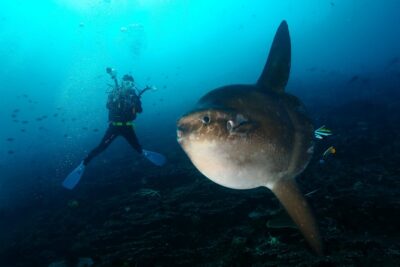 ★ 5.0Nusa Penida Day Trip for 3 divesFrom $190127 reviews
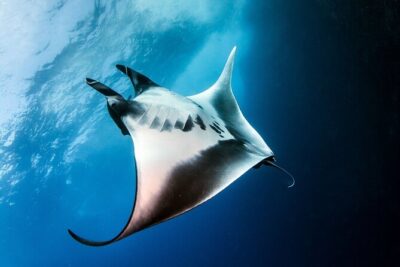 ★ 5.02 Days & 1 Night – 2 Dives in Lembongan/Penida (for certified divers)From $22276 reviews
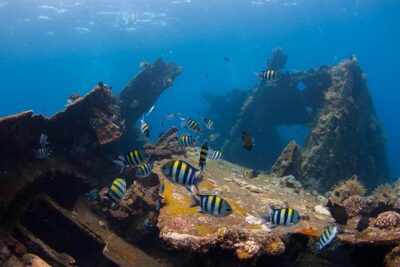 ★ 4.5USS Liberty Shipwreck Scuba Diving at Tulamben BaliFrom $10965 reviews
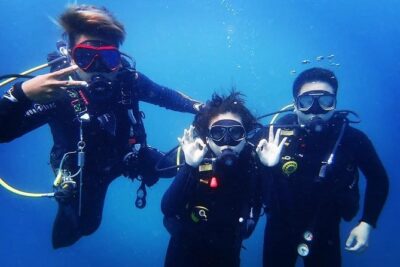 ★ 5.0Try Diving in Manta Point – Nusa PenidaFrom $22041 reviews
 ★ 5.0Scuba Diving Nusa Penida Manta Point 3 dives for certified diversFrom $23335 reviews
 ★ 5.0Diving in TulambenFrom $8727 reviews
Browse the lists this tour appears in