
Reviewed · ULUWATU TEMPLE & KECAK FIRE DANCE
Indonesia: Garuda Wisnu Kencana
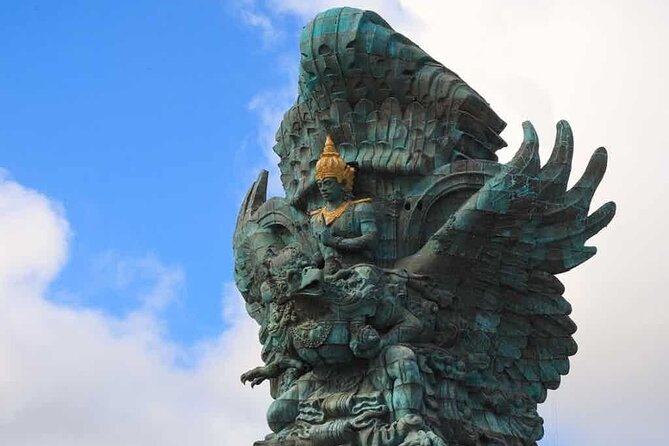
One statue changes how you see Bali. At GWK Park, the 120.9-meter Garuda Wisnu Kencana towers over the Bukit Peninsula with myth, sculpture, and big views, and you also get hour-by-hour Balinese performances to anchor your visit. The main drawback: some add-ons and optional parts of the experience can stretch the value, so it pays to check what your ticket covers before you plan on getting every possible extra.
I like how easy this is to fit into a short day. The visit is built for roughly 2 to 3 hours, with a mobile ticket and a set schedule of shows, so you’re not stuck guessing what to do next.
If you’re short on time, your best move is to arrive with a plan for the timing. That way you catch the performance slot you care about most, whether that’s the busy amphitheater lineup or the evening KECAK at 18.00 WITA.
In This Review
- Key highlights not to miss
- GWK Park’s Garuda Wisnu Kencana statue: myth plus real scale
- 60 hectares to cover: walking, Segway, and the buggy reality
- Balinese performances every hour: how to plan your 2–3 hour window
- Amphitheater shows (late morning to mid-afternoon)
- Plaza Wisnu (late afternoon)
- Lotus Pond (early evening)
- KECAK at 18.00 WITA
- The time-saver strategy
- Craft, materials, and the artist’s touch (why it looks so polished)
- Price and value: what $6.22 gets you, and where costs can pop up
- Getting there from Kuta: keep it simple and plan around weather
- Who this experience is best for
- Should you book this GWK Park visit?
- FAQ
- How long does the Garuda Wisnu Kencana experience take?
- Where is this experience located?
- What do I receive with the ticket?
- Are cultural performances included, and when do they happen?
- Can children attend for free?
- How is the ticket delivered?
- Is the ticket refundable if my plans change?
Key highlights not to miss
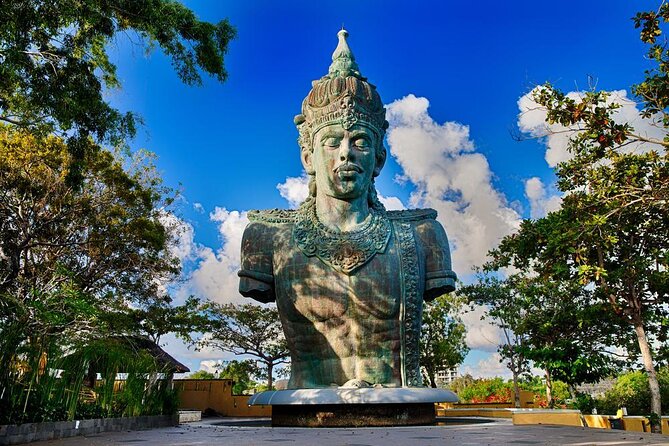
- 120.9m statue and 64m wingspan: massive scale you feel the moment you arrive.
- A real cultural park setting: shows and staged scenes spread across the grounds.
- Performance slots every hour: you can choose a time window without losing the day.
- Balinese craftsman Nyoman Nuarta: the statue’s design ties to local artistry.
- Myth you can follow with your eyes: Garuda and Wisnu symbolism is easy to read in context.
- Buggy help in a big park: walking is doable, but the park is large enough to use transport.
GWK Park’s Garuda Wisnu Kencana statue: myth plus real scale
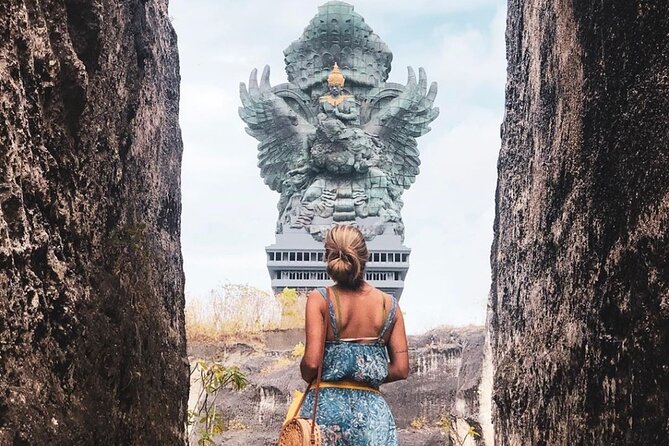
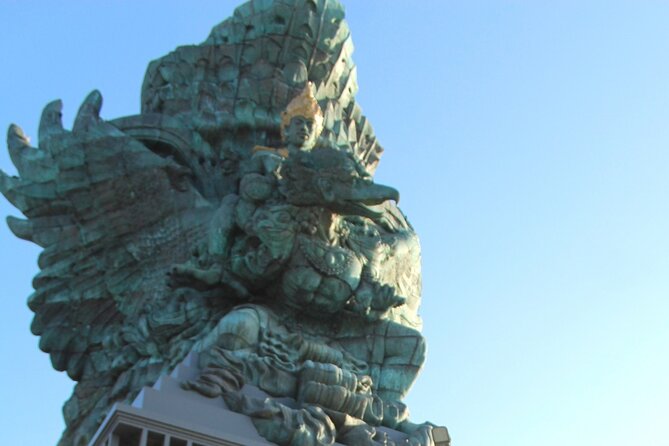
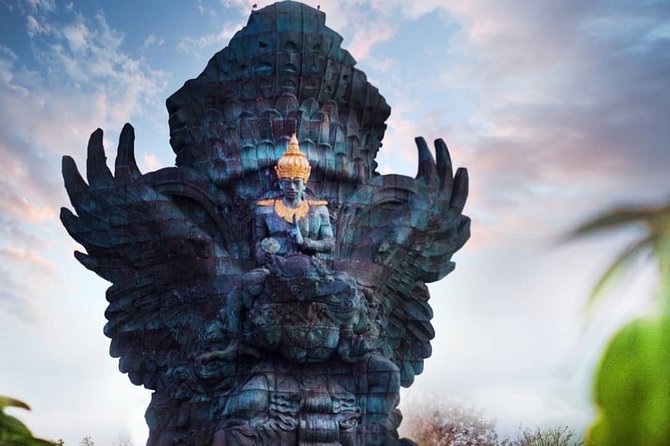
The star here is Garuda Wisnu Kencana, the giant statue that shows Lord Wisnu riding Garuda. It’s the kind of landmark that sounds dramatic and still manages to be bigger in person than in photos. The height is 120.9 meters, and the wingspan is 64 meters, with the eagle-shaped Garuda positioned as a national emblem of freedom from oppression.
This matters because it changes how you move through the park. You’re not just passing attractions. You’re orienting yourself around a single visual anchor, then letting the performances and gardens build meaning around it. The statue is also credited to Balinese artist Nyoman Nuarta, which is a nice detail to know as you look closely at how the design is handled.
The symbolism is part of the experience. The statue represents protection, loyalty, and freedom—plus it ties into the national emblem side through Garuda. You’ll see how the whole park concept leans on that mythic framing, with scenes and stages arranged so you’re always close to the story, even when you’re walking between shows.
More clifftop Kecak nights and Uluwatu temple visits reviewed


60 hectares to cover: walking, Segway, and the buggy reality
GWK Park covers about 60 hectares, so a “quick stroll” can become a longer walk faster than you expect. You’ll have options: you can explore on foot or by Segway, depending on what’s running when you’re there.
Here’s the practical part: walking is great when the weather is kind and you want to stop often. But if you’re trying to stay on schedule for specific show times, you should think like a timekeeper, not a photographer with endless stops. In a large park, that means using the internal transport when it saves you minutes.
One useful reality from the ground is that there’s a buggy service in the park area. The idea is simple: it helps you move between points without wearing yourself out before the performance you came for. On a day with rain, that kind of transport becomes even more valuable because the grounds can get slick and you’ll want to avoid long stretches outside.
If you’re aiming to see everything, also keep in mind there can be waiting time for special access areas. If a longer wait is involved, you may decide to skip that portion and use the time for more shows and garden detail instead. For a 2 to 3 hour visit, this is usually the smarter trade.
Balinese performances every hour: how to plan your 2–3 hour window
This is the part that makes the ticket feel “scheduled,” not random. There are performances every hour, every day, staged across different locations in the park. Once you know the time blocks, you can build a simple plan around the show that interests you most.
- Nusa Penida day trip: boat, 4 snorkeling, Manta rays & Land tour★ 5.0 · 2,033 reviews
- Bali Nusa Penida West Private All-Inclusive Tour★ 5.0 · 1,277 reviews
- Mount Batur Sunrise Trekking Private Tour with Breakfast and Hotel Transfer★ 5.0 · 885 reviews
- Individual Bali Day Trip with Private Driver and Free WiFi★ 5.0 · 755 reviews
- Waterbom Bali Tickets – Single Day Pass★ 4.5 · 620 reviews
Amphitheater shows (late morning to mid-afternoon)
At 11.00 WITA, you’ll see Tari Sekar jepun, Tari Kebyar Duduk, and Topeng Kenyum Manis.
At 12.00 WITA, the lineup shifts to Tari Jauk Keras, Tari Oleg Tamulilingan, and Tari Kebyar Duduk.
At 13.00 WITA, it goes back to Tari Sekar Jepun and Tari Jauk Manis.
At 14.00 WITA, watch Tari Topeng Monyer and Tari Jauk Manis.
At 15.00 WITA, you get Tari Oleg Tamulilingan and Tari Barong-Bojog.
If you’re not sure which one to pick, here’s my advice: choose based on the setting and your energy level. Late morning and midday shows usually feel easier because you’re fresh, and the amphitheater timing makes it straightforward to arrive, watch, and then move.
Plaza Wisnu (late afternoon)
At 16.00 WITA, there’s a Parade Budaya Bali at Plaza Wisnu. This one works well if you like motion and crowd energy more than sitting still for a set-length performance.
Lotus Pond (early evening)
At 17.00 WITA, the Joged Bumbung takes the stage at Lotus Pond. If you want a change of pace from the amphitheater, this is a nice pivot point for the final stretch of your visit.
KECAK at 18.00 WITA
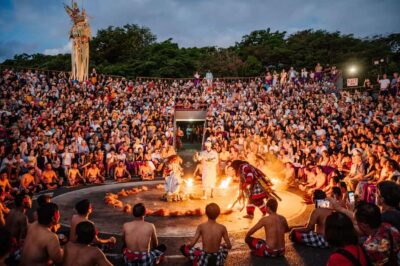
At 18.00 WITA, the show is KECAK – Garuda Wisnu Kencana. This is the moment where the whole place feels most myth-centered. Even if you don’t know all the references, the Garuda and Wisnu theme is the framing, and the show timing gives you a natural wrap-up point.
The time-saver strategy
For a visit around 2–3 hours, you’ll rarely want to rush multiple full shows back-to-back. Instead, arrive early enough to get comfortable, pick one main slot, then treat the others as bonuses. This keeps the trip feeling enjoyable rather than frantic.
And if rain shows up, don’t assume you can do everything outside. Have your timing focus on the show you most want first, then adjust around weather.
Craft, materials, and the artist’s touch (why it looks so polished)
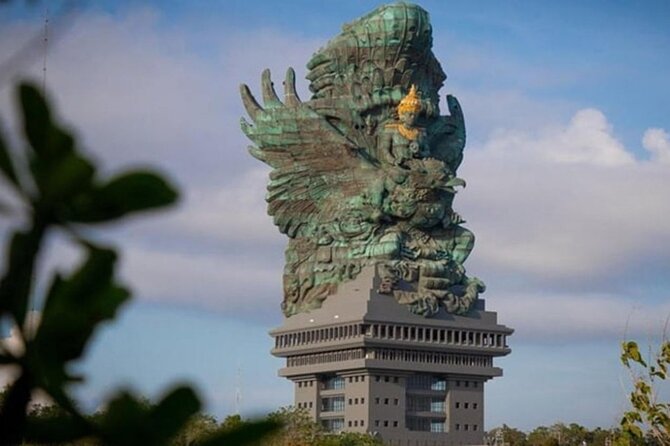
The statue isn’t just big—it’s built with specific materials: copper, brass, and steel, finished with gold mosaic crowns. Those material choices matter because they affect how light hits the sculpture throughout the day. Even without getting technical, you’ll notice the crown detail and ornamental areas catch the sun in a way that makes the design feel more alive than plain stone.
Knowing that Balinese artist Nyoman Nuarta is behind the work is a helpful lens. You’re not looking at a generic monument; you’re looking at an intentional sculptural statement created by a named maker with a local background. That’s one of the reasons this park can feel like more than a one-and-done photo stop.
The park also ties the statue’s meaning to national and spiritual symbolism. Garuda isn’t just a myth bird here—it’s linked to Indonesia’s emblem idea of freedom from oppression. That connection gives you a fuller sense of why the statue is positioned as a cultural centerpiece rather than a standalone attraction.
Price and value: what $6.22 gets you, and where costs can pop up
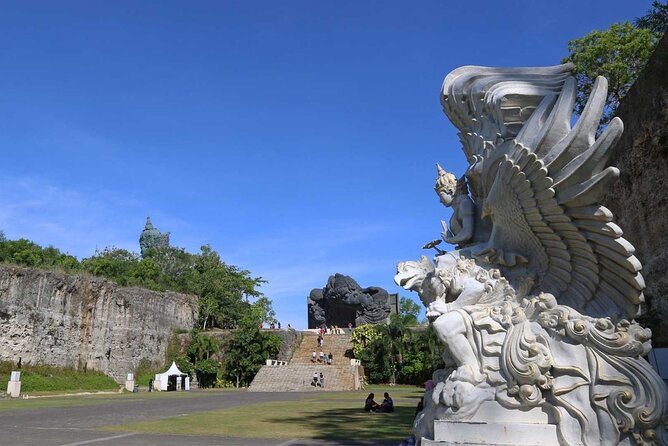
At $6.22 per person, the entry price is the big win. For that cost, you get admitted into the Garuda Wisnu Kencana Cultural Park experience, with the statue and park environment as the core payoff.
But value is about expectations. Some people find the park overpriced if they expect only a handful of features, or if parts of the experience feel like add-ons after you’ve already paid entry. The key is to go in with a “what am I actually buying?” mindset.
Here’s what you can confidently plan on from the information provided:
- Admission to the Cultural Park experience tied to GWK.
- Access to the park’s structured cultural programming with performances throughout the day.
- A visit length that fits a short timeframe (about 2–3 hours).
Here’s what you should treat as a check-before-you-count benefit:
- If you’re counting on special access like going up or a guided portion at a specific point, confirm what’s included in your ticket option. Some ticket setups can include a guided tour element at the top, but it depends on what your purchase covers.
Also consider travel timing. If you show up at a time when you still have to wait a long stretch for the next available segment you want, your $6.22 can still be fair, but your time value drops. On a day with storms, you may decide to shorten the day and focus on performances.
So my value rule is simple: if your plan includes a scheduled show and enough time to enjoy the grounds around the statue, this price usually makes sense. If you’re hunting for a lot of included extras beyond the basic park visit, you may feel more disappointed.
Getting there from Kuta: keep it simple and plan around weather
GWK Park is in the Kuta area, and you can reach it using local transport options. One practical example is taking a ride (like a Grab bike) from Kuta, which can take around 30 minutes depending on traffic and your pickup point.
The park is also described as near public transportation, which helps if you don’t want to rely only on private cars.
Weather is a real factor. If you get a thunder shower, you’ll lose time fast if you’re planning lots of walking between points. The good news is staff assistance can help with car pickup if you get soaked and need to move quickly. So if you’re worried about rain, don’t schedule a complicated “must see everything” checklist.
For your 2–3 hour visit, here’s the best approach:
- Aim to arrive with enough time to reach your target performance area early.
- Build your plan around the next show time, not the exact clock in your hotel room.
- If you feel the rain worsening, switch from exploring every corner to using your time for indoor-seeming show stages and quick repositioning.
Who this experience is best for
I think this works best if you want a high-impact cultural stop without spending half your day in transit. Because it’s timed around regular performances, it’s also great for travelers who like structure.
You’ll probably enjoy it most if:
- You want a landmark with clear storytelling (Garuda and Wisnu symbolism).
- You like dance shows where the setting is part of the spectacle.
- You want a short visit that still feels like a full experience.
You may want to think twice if:
- You’re mainly chasing a few photo angles and nothing else.
- You expect everything beyond basic park admission to be automatically included.
- You dislike waiting around for specific access windows or schedules.
Should you book this GWK Park visit?
If you’re in Kuta and you want one memorable, culturally anchored visit that you can fit into 2–3 hours, I’d say booking makes sense. The price is low enough to take the pressure off, and the schedule gives you an easy way to choose your moment—especially with KECAK at 18.00 WITA as a strong evening anchor.
My final advice: treat it like a planned visit to a park with performances, not like a “see everything in one go” mission. Check what your ticket includes if you’re hoping for special access or guided additions, and build your timing around the show slot you care about most. Do that, and GWK becomes a surprisingly satisfying use of your time.
FAQ
How long does the Garuda Wisnu Kencana experience take?
The duration is listed as about 2 to 3 hours.
Where is this experience located?
It’s in Kuta, Indonesia.
What do I receive with the ticket?
Admission to the Garuda Wisnu Kencana Cultural Park is included, and the visit uses a mobile ticket.
Are cultural performances included, and when do they happen?
Balinese cultural performances run every hour every day, with listed times from 11.00 WITA through 18.00 WITA, including amphitheater shows, a Parade Budaya Bali at 16.00 WITA, Joged Bumbung at 17.00 WITA, and KECAK at 18.00 WITA.
Can children attend for free?
Children under 100 cm are free of charge.
How is the ticket delivered?
You’ll receive confirmation at booking, and the official ticket is sent to you within 24 hours. The ticket is mobile.
Is the ticket refundable if my plans change?
No. The experience is non-refundable and cannot be changed, and the amount paid will not be refunded if you cancel or amend.
Uluwatu Cliffs, One More Sunset
- Private Tour Bali Beaches and Uluwatu Temple with Dinner
★ 5.0 · 363 reviews - Kecak Fire Dance and Sunset at Uluwatu Temple All Inclusive
★ 4.5 · 86 reviews - Best Bali Beaches – Uluwatu Temple – FREE Wi-Fi
★ 4.5 · 70 reviews - Bali: Uluwatu Mud ATV Quad Bike Adventure
★ 4.7 · 65 reviews - Uluwatu Sunset,Kecak Dance and Diner Seafood In Jimbaran
★ 5.0 · 56 reviews
Fresh on the Kuta Travel pages




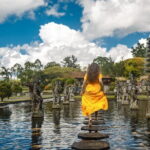
Uluwatu Temple & Kecak Fire Dance, compared.
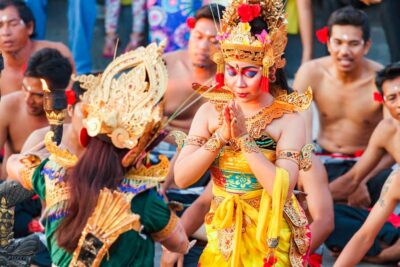 ★ 4.2Uluwatu Kecak and Fire Dance Show Entry TicketFrom $95,189 reviews
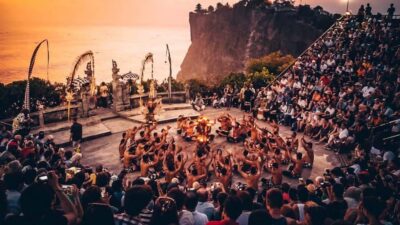 ★ 4.2Kecak Fire Dance Show & Uluwatu Temple Entry TicketFrom $93,023 reviews
 ★ 4.9Uluwatu: Beginner & Intermediate Surf Lesson with EquipmentFrom $36832 reviews
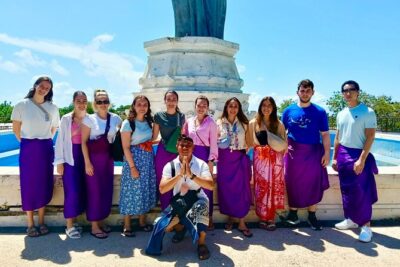 ★ 5.0Uluwatu Temple Entry and Kecak Fire Dance TicketFrom $29479 reviews
 ★ 4.2Skip-the-line Uluwatu Temple and Kecak Fire Dance TourFrom $27466 reviews
 ★ 4.7Uluwatu Temple Tour with Optional Kecak Dance TicketFrom $16427 reviews
 ★ 4.0Kecak Fire Dance Entry Ticket and Uluwatu TempleFrom $9406 reviews
 ★ 4.9Silver Jewelry Making Class in Kuta or UluwatuFrom $41380 reviews
Browse the lists this tour appears in