
Reviewed · PRIVATE DRIVERS & DAY TOURS
Private Tour: Bali Cultural Heritage Tour
Bali’s old rhythms, in one long day, with private door-to-door stops that mix artisan craft and volcano views. I like that the day starts in Blahbatuh, where you can see hands shaping the instruments behind Bali’s gamelan music. It’s a cultural route with real texture, not just photo stops.
I also like the “big scenery” payoff at Kintamani, especially when Mt. Batur and Lake Batur show up with that dramatic crater setting. The main thing to consider is the day runs long (plan on a full afternoon), lunch isn’t included, and the flow can feel pretty fixed once you’re on the road.
In This Review
- Key things to know before you go
- A private Bali culture day from Nusa Dua with a real schedule
- Blahbatuh instrument making: why gamelan is more than music
- Arca Building Archaeological Museum: prehistory and royal funeral relics
- Sri Batu farming stop: fruit, spices, and everyday agriculture
- Kintamani and Lake Batur: Mt. Batur is active, so watch the details
- Lunch with views: how to handle the one thing not included
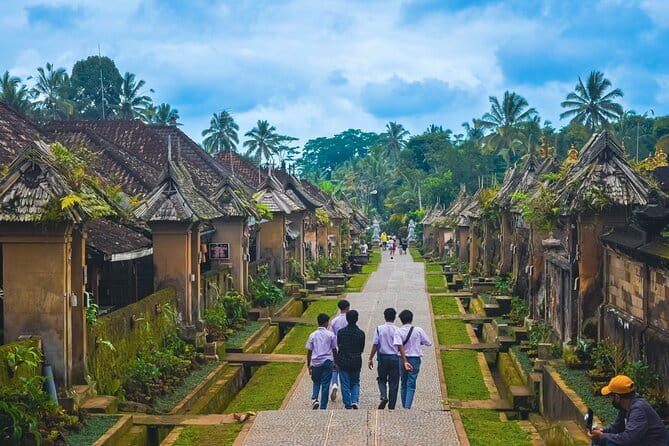
- Penglipuran Village: bamboo shade, carvings, and old customs
- Bukit Jati tea and coffee: the sea shows up on your last page
- Guide quality and flexibility: what matters on a private day
- Price and value: what $71.80 covers (and what you still pay for)
- Who should book this tour, and who might want something else
- Should you book Bali’s Cultural Heritage tour?
- FAQ
- How long is the Bali Cultural Heritage Tour?
- What time does the tour start?
- Where is pickup available?
- Is lunch included?
- What’s included in the afternoon tea or coffee stop?
- Is the museum admission included?
- Do I need to buy tickets for Penglipuran?
- Is this tour private or shared?
- Is there group discount and do I get a mobile ticket?
- What is the cancellation policy?
Key things to know before you go
- Blahbatuh instrument workshop: watch craftsmen make gamelan instruments used in religious ceremonies and special events
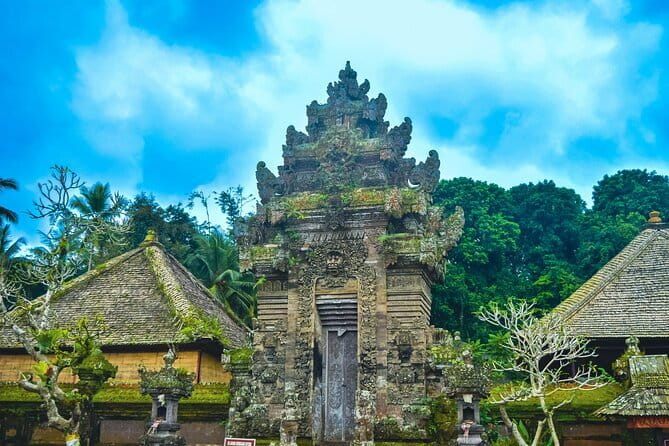
- Arca Building Archaeological Museum: included entry with Bronze/Stone Age artifacts plus royal funeral relics
- Kintamani crater views: Mt. Batur is active, with lava streams sometimes visible from the mountain area
- Penglipuran village walk: a guided stroll through a bamboo plantation and traditional customs
- Bukit Jati tea/coffee: a final relax with ocean views in the distance
A private Bali culture day from Nusa Dua with a real schedule
This tour is built for a full day of “Bali beyond the beach.” You’ll get door-to-door pickup from major areas like Kuta, Seminyak, Sanur, Jimbaran, and the Nusa Dua side, and then you’ll be guided all the way through villages, history, and views. Start time is listed as 8:30am, but you should also expect pickup that may happen earlier than that, so plan your morning around an early call.
What you’ll appreciate most is the mix of indoor learning and outdoor scenery. One stretch is quieter and reflective (museum time and artifacts), while the next one is more dramatic (Kintamani, where Mt. Batur and Lake Batur sit together in the same frame). It’s the kind of day that helps you understand why Bali takes rituals seriously and why crafts still matter.
One small practical note: the tour is private, but the path is still set. If you’re the type who wants to jump tracks constantly, you may need to speak up early and clearly.
More private-driver days you can shape around Nusa Dua


Blahbatuh instrument making: why gamelan is more than music
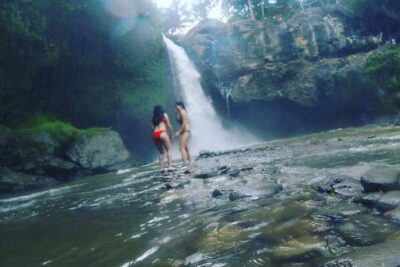
Blahbatuh (spelled Blahbatuh/Blahbatuh in common use) is where you start connecting daily life to spiritual life. The workshop stop focuses on the village’s artisan traditions—specifically the instruments that make gamelan music work.
Here’s the value for you: gamelan isn’t a concert hobby in Bali. It’s woven into temple ceremonies, community events, and other religious moments. So when you watch craftsmen shape and assemble instruments, you’re really watching how culture moves. You’ll get a sense of the craftsmanship behind the sound, not just a performance you passively watch.
If you care about context, this is also a good place to ask your guide what the instruments are used for. In past runs, English translation helped make these scenes easier to follow, and that matters here because the meaning behind the craft is part of the experience.
Practical tip: wear something comfortable and be ready for short walks around workshop spaces. Bring a light layer too—Bali mornings can feel mild, but the day shifts.
Arca Building Archaeological Museum: prehistory and royal funeral relics
After the village workshop, the day steps into history with an included stop at the Arca Building Archaeological Museum. The museum visit is timed at about an hour, and the entry ticket is included.
This is one of the stops I like because it adds depth fast. You’ll see artifacts tied to Bronze and Stone Age periods, and then you’ll move into museum exhibits that include funeral totems connected to Bali’s royal family and material related to later contacts—like Indian merchants and Dutch settlers.
Why this works on a day trip: many Bali tours only hit temples or scenic viewpoints. This one gives you a quick timeline. You start to connect why relics and ritual objects are treated with care and why stories get preserved in art and objects, not just in words.
What to watch for: look at how the display groups older artifacts and later historical influences. It helps you understand that Bali culture isn’t frozen in one era. It’s layered.
If you’re the type who enjoys museums but hates rushed crowds, the hour slot here feels reasonable. The experience stays focused instead of turning into a whirlwind.
- Bali Instagram Tour – Lempuyang Bali Gate of Heaven★ 5.0 · 149 reviews
- Bali Parasailing Adventure,Banana Boat,Jet Ski and Donut Boat with Transfers★ 5.0 · 130 reviews
- Devdan Show★ 4.5 · 113 reviews
- Mount Batur Sunrise Trekking and Rice Terrace Adventure★ 5.0 · 111 reviews
- Uluwatu Temple, Beaches and Southern Bali Tour★ 4.5 · 81 reviews
Sri Batu farming stop: fruit, spices, and everyday agriculture
Between museum time and the Kintamani region, you’ll pass through Sri Batu, an agricultural village area where farmers grow fruit and spices. The tour notes specific crops like cloves and Eastern coffee.
This part is easy to overlook on paper, but it can add a lot if you enjoy food and how ingredients connect to culture. Bali’s cuisine and rituals both rely on local plants, and spices are part of the sensory map of the island. Even if you don’t taste everything, you’re getting a clearer sense of where flavors come from.
Practical angle for you: if you like coffee or spice-based snacks, keep your eyes open during breaks. Your guide may point out what’s grown and how it’s used.
Also, don’t expect this to feel like a full farm tour. It’s more of a cultural transition point—enough to broaden your day, not enough to derail it.
Kintamani and Lake Batur: Mt. Batur is active, so watch the details
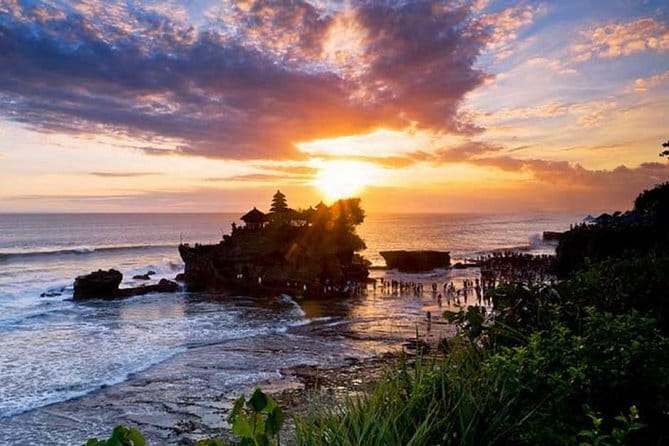
Now you hit the big-view region: Kintamani. This is where you’ll see Mt. Batur, an active volcano, and Lake Batur below it.
The tour’s promise here is not subtle. You’ll likely be in a vantage area where you can spot black lava flows running down from the mountain area. The day also includes a break around lunch time for the lake and crater views.
Here’s what you should know before you go: volcano scenery changes with weather. Clouds can soften the crater walls, and haze can dull the lake. If you get a clear view, it’s unforgettable because you can see how the crater bowl shapes the whole scene.
If you’re a photo person, don’t just aim at Mt. Batur. Look at the rim curves and the lake’s crescent shape. The tour specifically calls out the lake as Bali’s widest lake and describes it right under the volcano area. That relationship is the point.
Time-wise, you’ll have a lunch break at a local restaurant with an Indonesian buffet (lunch is not included, so you pay your own meal). The upside is you’re eating with the crater-and-lake view in your line of sight.
Lunch with views: how to handle the one thing not included
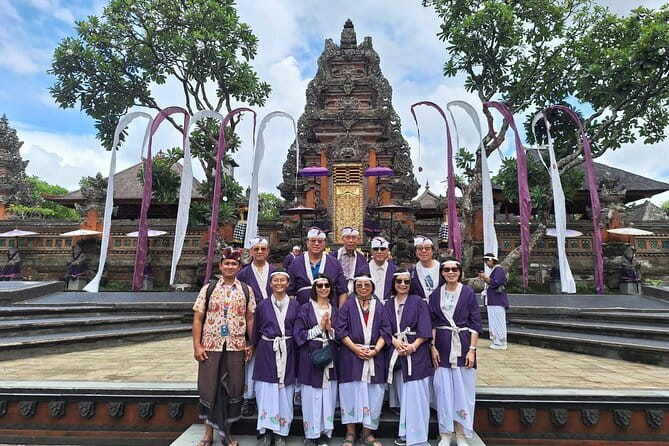
Lunch is at your own expense at a local eatery in the Kintamani area, described as serving an Indonesian buffet. Because your time there is tied to the sightseeing schedule, I recommend you go in with a simple plan: choose what you know, eat at a comfortable pace, and then settle back for the views right after.
Why this matters for value: the tour price covers guide services, key admissions, and a later tea/coffee stop. Paying for lunch separately is normal on day tours like this, but it’s also the one spot where you can control your budget.
If you’re sensitive to spicy food, consider grabbing a milder plate first and then sampling. Buffets are good for that because you can mix and match.
And one more thing: since Mt. Batur is active, the wider area can feel hot and exposed depending on the season and time of day. Carry water and take breaks when you feel sun-struck.
Penglipuran Village: bamboo shade, carvings, and old customs
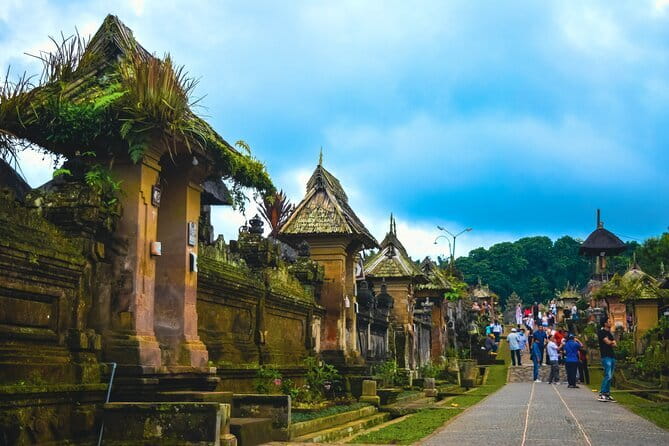
After lunch, you’ll head to Penglipuran Village, a traditional Balinese village known for cultural continuity and a setting that stays away from heavy modern development.
The highlight here is walking with your guide through a bamboo plantation area near the village, plus taking in how local people maintain customs and beliefs. The tour also notes stopping to observe village carvers making bamboo products—things like wind chimes and everyday household items.
This is another stop I’d call high value because it gives you cultural context through craft and daily routines, not through a staged demo only meant for visitors. The carvings and bamboo goods are tangible results of how people live and celebrate.
What to watch for: this is a village walk, so keep your movement respectful. The pace is easy, but it’s still a working place with locals going about their day.
If you want the best experience, ask your guide what makes Penglipuran’s layout and customs unique. Even basic answers make the walk feel less like a pass-through and more like you’re learning how people organize their community.
Bukit Jati tea and coffee: the sea shows up on your last page
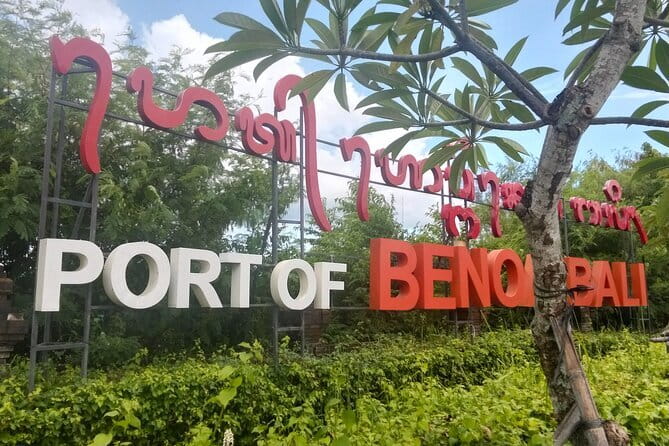
The tour ends on a calmer note at Bukit Jati, also described as a tea-and-coffee stop around Gianyar. Tea and coffee are included here, along with a Balinese traditional snack.
This final stop is timed for afternoon, and the best part is the view: you’ll see rice fields and, in the distance, the ocean. It’s a nice contrast to the earlier crater-and-lake views. Instead of volcano drama, you get a layered panorama of agriculture and sea.
Why I like this ending: it gives you a “reset.” You’re done with museum questions and village walking, and now you can slow down, drink something warm or refreshing, and let the day settle into memory.
Practical tip: bring sunscreen even here. If the afternoon sun is strong, you’ll still feel it while you’re sitting and looking.
Guide quality and flexibility: what matters on a private day
A private tour lives and dies by the guide. In this case, the tour includes an English-speaking licensed guide, and that matters because the day blends history, ritual objects, agricultural details, and village life. When explanations are clear, the stops connect into one story.
You’ll also want a guide who can read the group. One negative note from past experiences is that a director can be inflexible about changing the itinerary to match customer requests. I can’t promise how flexible any specific team will be, but you can improve your odds: be upfront at pickup with your must-sees and your no-thanks.
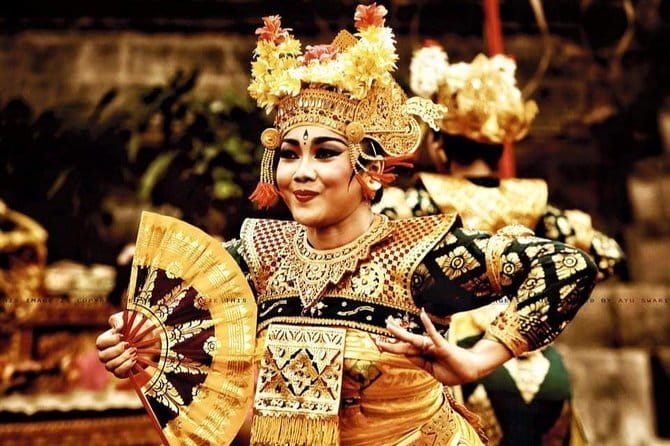
Also, if you’re interested in cultural performances, you might find that the schedule includes a dance moment on some days. One earlier experience mentioned a Legong dance and appreciated English translation. If anything like that appears, ask your guide what you’re watching so it lands properly.
Price and value: what $71.80 covers (and what you still pay for)
At $71.80 per person, you’re paying for a full-day private cultural run with door-to-door pickup, an English-speaking licensed guide, admissions at the museum and Penglipuran, plus tea/coffee with a traditional snack at the end.
The not-included item is lunch. That’s your main extra cost. If you’re budgeting, plan for a normal lunch meal at the Kintamani restaurant.
Is it good value? For me, the value comes from three things:
- You get multiple distinct cultural stops in one day: craft, museum artifacts, village customs, and volcano views.
- Admissions at key stops are included, so you’re not chasing tickets at each turn.
- Private transportation means you’re not stuck waiting for other people at every stop.
If your priority is only one or two big sights, you might find a shorter, cheaper option. But if you want a solid introduction to Bali’s interior culture and how it ties into ritual life and landscape views, this price makes sense for a full day.
Who should book this tour, and who might want something else
This tour is a great fit if you:
- want a cultural education day that includes hands-on craft viewing and museum time
- like the idea of seeing both old relics and active-volcano scenery
- prefer a private guide who can explain in English as you go
You might consider a different tour if:
- you hate long driving days and want lots of downtime
- you’re expecting lunch to be included
- you strongly need the itinerary to change on the spot, since the route can feel fixed once it’s underway
If you’re on your first full day in Bali, I like doing something like this to get your bearings fast. It helps you understand what you’re seeing later, whether you’re heading to temples or exploring markets.
Should you book Bali’s Cultural Heritage tour?
If your idea of a good Bali day includes cultural craft, meaningful historical objects, and real scenery at Kintamani, then yes, I think this is worth booking. The included museum time and village stops do more than fill a schedule. They give you a clearer sense of how Balinese life connects to ritual, agriculture, and community art.
Just go in prepared for a long day and remember lunch is on you. If you want the most satisfying experience, come with two or three clear priorities, and communicate them early to your guide during pickup.
FAQ
How long is the Bali Cultural Heritage Tour?
The tour runs about 10 hours (approximately). The description also refers to an around 8-hour private guided experience, so expect a long day from morning into the afternoon.
What time does the tour start?
Start time is listed as 8:30am, and pickup may occur prior to the start time. Check with your guide for your exact pickup time.
Where is pickup available?
Pickup is offered from major hotels in areas including Kuta, Seminyak, Sanur, Jimbaran, and the Nusa Dua area.
Is lunch included?
No. Lunch at a local restaurant in the Kintamani area is not included, and you’ll pay for it separately.
What’s included in the afternoon tea or coffee stop?
Tea or coffee is included, along with a Balinese traditional snack.
Is the museum admission included?
Yes. Admission tickets are included for the Arca Building Archaeological Museum and for Penglipuran Village.
Do I need to buy tickets for Penglipuran?
Admission is included for Penglipuran, so you shouldn’t need to purchase separate entry tickets for that stop.
Is this tour private or shared?
It’s a private tour/activity. Only your group participates.
Is there group discount and do I get a mobile ticket?
Group discounts are mentioned, and the tour includes a mobile ticket.
What is the cancellation policy?
Free cancellation is offered. You must cancel at least 24 hours before the experience’s start time for a full refund. If you cancel less than 24 hours before, you won’t receive a refund.
Plan One More Day with a Driver
- Wonderful of Ubud Private Guided Tour
★ 5.0 · 78 reviews - Bali private Shore Excursion from Benoa Port – All Inclusive
★ 5.0 · 58 reviews - Best of Ubud Full Day Private Guided Tour
★ 5.0 · 52 reviews - Private Arrival Transfer: Denpasar International Airport to Nusa Dua Area
★ 5.0 · 46 reviews - Water Sports GWK Uluwatu Private Guided Tour
★ 4.5 · 44 reviews
Fresh on the Kuta Travel pages



Private Drivers & Day Tours, compared.
 ★ 5.0️ Bali Instagram Tour: The Most Famous Spots (Private & All-Inclusive)From $1142,857 reviews
 ★ 5.0Bali Nusa Penida West Private All-Inclusive TourFrom $801,277 reviews
 ★ 5.0Nusa Penida Snorkeling Adventure (Private & All-Inclusive)From $1291,197 reviews
 ★ 5.0Mount Batur Sunrise Trekking Private Tour with Breakfast and Hotel TransferFrom $49885 reviews
 ★ 5.0Individual Bali Day Trip with Private Driver and Free WiFiFrom $38755 reviews
 ★ 5.0Private Tour Mount Batur Sunrise Trekking and Natural Hot SpringFrom $63431 reviews
 ★ 5.0Best bali transport service – custom your own itineraryFrom $64363 reviews
 ★ 5.0Private Tour Bali Beaches and Uluwatu Temple with DinnerFrom $48363 reviews
Browse the lists this tour appears in